
What if the most iconic pose in yoga isn’t a destination to reach, but a state of being that you nurture over time? Many practitioners feel a deep longing to master padmasana, yet they’re held back by the reality of stiff hips from long hours at a desk or the very real fear of a knee injury. You might feel that a stable, silent meditation seat is out of reach because your body simply won’t cooperate. It’s a common struggle when we spend so much time sitting in chairs rather than on the earth, but your healing journey starts with patience and authority over your own well-being.
Health is wealth, peace of mind is happiness, and yoga shows the way to both. We believe that yoga is possible for anyone, provided you approach it with the right guidance and respect for your unique anatomy. In this guide, you’ll discover how to unlock the profound physical and spiritual benefits of the lotus pose without forcing your joints. We’ll walk you through essential preparatory stretches to open your hips and explain the deep symbolism behind this ancient seat. Whether you’re practicing at home or investing in private instruction, which currently averages $70 to $150 per hour in 2026, this path leads you to a more stable and serene practice.
Key Takeaways
- Embrace the sacred symbolism of the lotus flower to transform your meditation seat from a physical exercise into a profound spiritual practice.
- Learn to distinguish between a productive stretch in the hips and dangerous pressure in the knees to ensure a safe, lifelong journey.
- Master the rhythmic steps to enter padmasana with mindfulness, focusing on a tall spine and relaxed shoulders for optimal tranquility.
- Explore how the unique geometry of the lotus pose redirects blood flow to nurture your digestive system and calm your nervous system.
- Discover the value of personalized, doorstep instruction to receive the precise anatomical adjustments needed for this advanced and nurturing asana.
Understanding the Essence of Padmasana: More Than Just a Seat
Health is wealth, peace of mind is happiness, and yoga shows the way. This foundational wisdom is perfectly encapsulated in the practice of padmasana. The name itself serves as a bridge between the physical and the poetic, derived from the Sanskrit words “Padma,” meaning lotus, and “Asana,” meaning seat or posture. This isn’t merely a physical exercise to be checked off a list. It’s a cornerstone of Hatha Yoga with ancient roots stretching back thousands of years into Vedic traditions. Practitioners have long revered it as the “King of Meditation Poses” because of its unique ability to anchor the body and mind simultaneously.
The symbolism of the lotus is central to understanding why we return to this pose again and again. A lotus flower begins its life in the dark mud at the bottom of a pond. It grows through the murky water to eventually bloom on the surface, remaining perfectly clean and radiant despite its surroundings. In the Lotus Position (Padmasana), your body mimics this spiritual journey. You acknowledge the “mud” of your daily stresses, stiff joints, or mental distractions, yet you find the internal strength to rise above them and find your own center of peace.
The Spiritual Significance of the Lotus
Practicing this asana helps you tap into your internal energy systems with professional precision. By crossing the legs and resting the feet on opposite thighs, you create a physical and energetic “closed circuit.” This specific structure keeps your life-force energy, or Prana, circulating within the torso rather than dissipating through the lower extremities. As this energy builds, it naturally flows upward to stimulate the Sahasrara, or Crown chakra, at the top of the head. This isn’t just ancient theory; it’s a practical, nurturing way to achieve the “inner tranquility” that defines a successful healing journey.
Why Padmasana is the Gold Standard for Meditation
The stability offered by padmasana is unmatched by any other seated posture. When you lock your legs into place, your knees and tailbone form a wide, triangular base that provides maximum support for the spine. This low center of gravity makes it almost impossible for the back to slouch, which is essential for maintaining alertness during meditation. This physical “lock” sends a direct signal to your nervous system that it’s safe to enter a state of deep relaxation. Your heart rate typically slows and your breath becomes more rhythmic. It’s the perfect solution for those who find their mind wandering because their body feels unstable; you move from physical effort into a state of mental stillness.
Preparing Your Body: The Path to Hip and Knee Opening
Modern lifestyle often keeps us confined to chairs for eight to ten hours a day. This sedentary habit creates significant tension in the hip flexors and external rotators, which are the primary gatekeepers to a comfortable padmasana. When you attempt to sit in lotus without adequate preparation, your body naturally looks for the path of least resistance. Often, this results in the knee joint taking on rotational stress it wasn’t designed to handle. It’s vital to remember that knee pain is never a sign of a “good stretch.” It’s a clear signal from your body that your hips aren’t yet open enough to support the pose safely.
Every practitioner brings a unique skeletal history to the mat. The depth of your hip sockets and the specific angle of your femur bones are biological factors that dictate your range of motion. Because of these variations, a one size fits all approach rarely works. This is why personalized yoga instruction is so effective; a wise mentor can help you distinguish between a safe muscular opening and a structural limitation. To prepare your body with the respect it deserves, always begin with a dedicated 15-minute warm-up sequence focused on the lower body to stimulate blood flow and lubricate the joints.
Essential Preparatory Asanas for Beginners
Baddha Konasana, or Butterfly Pose, is your first step toward success. By pressing the soles of your feet together and allowing the knees to heavy toward the earth, you gently encourage the inner thighs and groins to release. Follow this with Janu Sirsasana to lengthen the hamstrings and lower back, which reduces the pull on the pelvis. Finally, incorporate Ardha Matsyendrasana. This seated twist releases the glutes and the outer hips, providing the multi-directional mobility required for the full lotus seat. If you’re looking to complement this preparation with longer-held, restorative work, exploring essential yin yoga poses for deep restoration at home can be a powerful way to release the connective tissues around the hips and lower back over time.
The Role of Props in Protecting the Joints
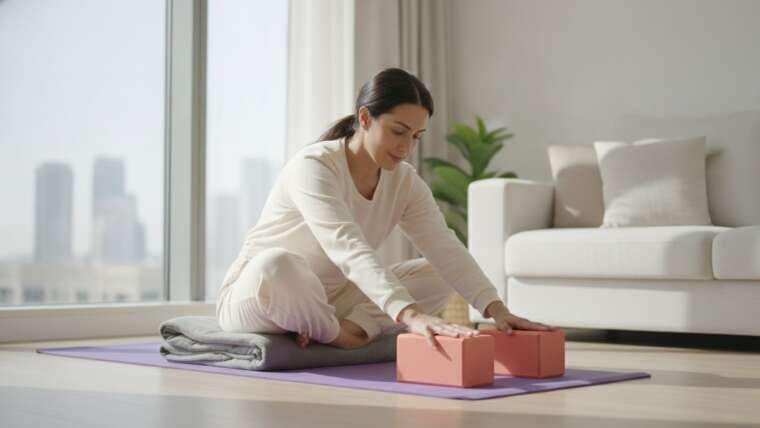
Props aren’t just for beginners; they’re professional tools that ensure your alignment remains therapeutic. If your knees remain high off the floor, place yoga blocks underneath them to prevent the weight of the legs from straining the inner knee ligaments. Sitting on the edge of a folded blanket or a firm bolster is another transformative adjustment. This simple lift tilts the pelvis forward, which naturally encourages the spine to lengthen and makes it much easier to understand How to Practice Padmasana Safely without slouching. Finally, ensure you’re using a high-quality mat to provide necessary cushioning for your ankles against the hard floor. These small supports create the physical tranquility needed for a deeper healing journey.

Mastering the Pose: A Step-by-Step Practical Guide
Health is wealth, peace of mind is happiness, and yoga shows the way to a balanced life. Once your hips are sufficiently warmed through the preparatory work we discussed, you can begin the process of entering the full expression of the pose. Mastering padmasana isn’t about speed; it’s about the conscious awareness of every muscle and joint as they settle into place. This rhythmic entry ensures that your practice remains a healing journey rather than a source of strain. It’s a professional approach that respects your body’s current limits while inviting future growth.
Entering the Full Lotus Position Safely
To begin, sit on your mat with your legs extended in front of you and your spine tall. This starting position, often called Dandasana, sets the foundation for a healthy back. Next, bend your right knee and use your hands to gently guide the right foot onto the left thigh. Ensure the sole of the foot faces upward and the heel is tucked into the left hip crease. For the third step, carefully lift the left foot and cross it over the right leg, placing it into the right hip crease. In this final alignment, both heels should rest firmly against the lower abdomen to provide a gentle, therapeutic pressure on the digestive organs.
While holding the seat, keep your spine erect as if a thread is pulling the crown of your head toward the sky. Relax your shoulders away from your ears to release any lingering tension. You can enhance your focus by adopting Chin Mudra, where the tips of the thumb and index finger touch while the other three fingers remain extended. This gesture creates a loop of energy that fosters deep concentration. Incorporate slow, steady Pranayama, such as deep belly breathing, to anchor your mind in the present moment. If you’re looking for more detailed anatomical cues, you might find this guide on 5 Steps to Lotus Pose helpful for refining your form.
Variations for Different Levels of Flexibility
Yoga is possible for anyone, and you don’t need to force the full lotus to experience tranquility. If the full pose feels too intense, Sukhasana, or Easy Pose, is a wonderful alternative that focuses on maintaining a neutral spine and open chest. For those transitioning toward the full seat, Ardha Padmasana (Half Lotus) provides the perfect middle ground. You place only one foot on the opposite thigh, which allows you to build hip mobility gradually without overtaxing the knees. Another effective option is Agnistambhasana, or Fire Log Pose. This asana targets deep hip rotation by stacking the shins parallel to each other, offering a profound opening that prepares the body for the ultimate stability of padmasana over time.
The Holistic Benefits and Vital Safety Precautions
Health is wealth, peace of mind is happiness, and yoga shows the way to a life of balanced vitality. The practice of padmasana offers a unique physiological advantage that few other asanas can match. By locking the legs in this specific geometry, you temporarily restrict blood flow to the lower extremities. This isn’t harmful; instead, it’s a professional technique to redirect circulation toward the abdominal and pelvic regions. This surge of oxygenated blood nurtures your internal organs, effectively fueling your “digestive fire” and supporting metabolic health. It’s a holistic transformation that begins with a physical seat but ends with a rejuvenated spirit.
Achieving true symmetry is a central pillar of your healing journey. Many practitioners naturally favor one side, but it’s essential to practice with both legs as the lead. If you always place the right foot first, you might inadvertently create a pelvic tilt over time. Switching sides ensures that your hip opening remains even and your spine stays properly aligned. This balanced approach is what distinguishes a sustainable, lifelong practice from a temporary fitness routine. If you’re unsure about your alignment or feel hesitant about your form, you can book a personalized home session to receive expert guidance tailored to your specific anatomy.
Physiological and Mental Advantages
The benefits of this pose are deeply layered. Physically, the upright nature of the seat strengthens the spinal erector muscles, which prevents the chronic slouching often seen in office workers. This improved posture naturally facilitates deeper, more rhythmic breathing. Mentally, this grounded state activates the parasympathetic nervous system. Research suggests that steady, mindful breathing in a stable posture can significantly reduce cortisol levels, providing the “inner tranquility” required for deep meditation. You aren’t just sitting; you’re actively calming your brain’s stress centers. Pairing your padmasana practice with yin yoga poses that target deep connective tissue restoration can further amplify these calming effects on the nervous system.
When to Avoid Padmasana: Contraindications
Yoga is possible for anyone, but it must be practiced with a firm stance on safety. The most common objection is that “yoga is dangerous for the knees.” This is only true if you ignore your body’s red flags. If you’ve had knee or ankle surgeries within the last 12 months, absolute rest or gentle modifications are required. Similarly, those dealing with acute sciatica or chronic lower back issues should proceed with extreme caution. The “Golden Rule” of the lotus pose is simple: sharp, pinching pain in any joint is a signal to exit the pose immediately. Dull muscular stretching is part of the process, but joint pain is a non-negotiable stop sign. Listen to your body with empathy, and it’ll reward you with years of safe, nurturing practice.
Elevating Your Practice with Personalized Home Instruction
Health is wealth, peace of mind is happiness, and yoga shows the way to your highest potential. Mastering a foundational yet complex asana like padmasana is a significant milestone in any practitioner’s life. While the desire to sit in perfect stillness is powerful, the path to achieving it requires more than just willpower. It requires the watchful eye of a seasoned mentor who understands that every skeletal structure is unique. Attempting such deep hip rotation without professional guidance can lead to frustration or, worse, preventable injury to the delicate ligaments of the knee.
By working with a trainer who holds credentials from the Yoga Alliance or REPS UAE, you ensure that your practice meets the highest professional standards of safety and expertise. This level of personalized attention is particularly vital in 2026, where private in-person instruction, typically ranging from $70 to $150 per hour, provides the specific anatomical feedback that a generic video or group class simply cannot offer. A mentor doesn’t just teach a pose; they facilitate a healing journey that respects your body’s current boundaries while gently expanding them.
The Value of a Private Yoga Mentor
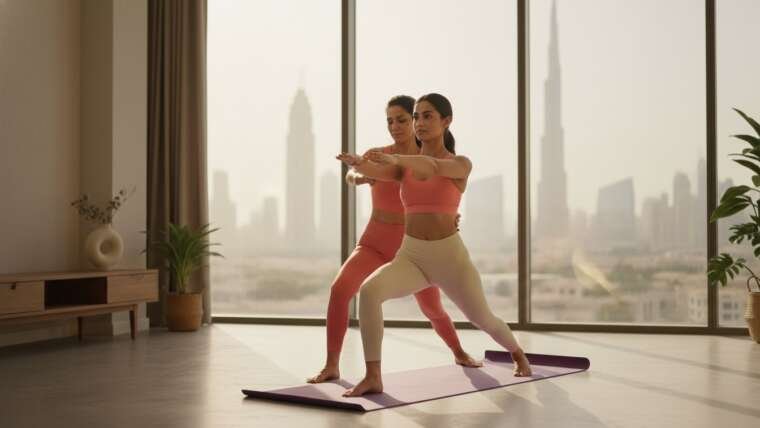
A private teacher acts as a mirror for your practice, spotting subtle misalignments that are invisible to the untrained eye. Perhaps your pelvis is tilting slightly to the left, or your ankles are “sickling” in a way that creates tension in the outer knee. These small errors can lead to long-term issues if they’re repeated daily. Your mentor will create tailored sequences that specifically address your “stiff spots,” whether those are in the hip flexors or the lower back. To see how this bespoke approach can transform your results, you can explore private yoga classes in the UAE for a safe and steady progression toward your goals.
Creating a Nurturing Home Environment
Your home is your sanctuary, and it’s the most effective place to cultivate a consistent practice. A doorstep service brings the professional discipline of a studio into your personal space, removing the modern stressors of traffic and crowded gyms. This convenience allows you to focus entirely on your breath and the sensations within your body. To enhance this tranquility, set up a dedicated corner with soft lighting, a high-quality mat, and your necessary props. Our trainers, including experts like Rajesh Sir and Nanthu Sir, pride themselves on their punctuality and deep empathy, ensuring that your session begins in a state of calm. This structured yet nurturing environment makes it clear that yoga is possible for anyone when they have the right support. With patience and professional guidance, the stability of padmasana will eventually become a natural expression of your inner peace.
Embrace Your Path to Inner Stillness
Health is wealth, peace of mind is happiness, and yoga shows the way to your most rejuvenated self. You’ve learned that mastering padmasana is not a race but a patient opening of the body and spirit. By prioritizing hip mobility and respecting your joint’s red flags, you transform a challenging seat into a source of profound stability. This journey is most effective when nurtured by professional expertise that respects your unique anatomy and time.
With over 20 years of expertise in private home yoga, we’re here to support your holistic transformation. Our certified REPS UAE and Yoga Alliance instructors provide the tailored adjustments you need to practice safely and effectively. We also offer specialized ladies-only sessions to ensure every practitioner feels completely at ease in their own sanctuary. Yoga is possible for anyone when they have a wise mentor by their side. Begin your personalized yoga journey today with Yogaathome and discover the tranquility that awaits you. Your path to vitality starts right at your doorstep.
Frequently Asked Questions
Is Padmasana safe for everyone to practice at home?
Padmasana is safe for most healthy practitioners when approached with patience and a dedicated warm-up. However, individuals with recent surgeries or chronic joint conditions should seek professional guidance before attempting the full seat. At Yogaathome, we emphasize that “Yoga is Possible for Anyone” with the right modifications, so don’t force the posture if your body resists.
How long should I hold the Lotus Pose as a beginner?
Beginners should aim to hold the pose for 30 to 60 seconds on each side. It’s essential to maintain a tall spine and steady breathing throughout the duration to ensure your nervous system remains calm. As your hip flexibility improves, you can gradually extend this time to 5 or 10 minutes for deeper meditation sessions.
What should I do if I feel sharp pain in my knees during Padmasana?
You must exit the pose immediately if you feel any sharp or pinching sensations in your knees. Sharp pain is a clear red flag indicating that the rotational force is straining your ligaments rather than opening your hips. Revert to a gentler variation like Sukhasana and focus on preparatory hip-opening asanas to build the necessary range of motion safely.
Can I practice Padmasana if I have very stiff hips?
Yes, you can practice padmasana even with stiff hips, provided you use supportive props like blocks or blankets. Stiff hips often result from sedentary work, which affects roughly 80% of office-based professionals according to modern health surveys. Focus on a 15-minute daily sequence of “Butterfly” and “Fire Log” poses to gradually release tension before attempting the full seat.
What is the difference between Half Lotus and Full Lotus?
The primary difference lies in the placement of the feet and the intensity of the hip opening. In Half Lotus (Ardha Padmasana), only one foot rests on the opposite thigh, while the other remains tucked underneath. Full Lotus requires both feet to be placed in the opposite hip creases, creating the iconic triangular base for maximum stability during meditation.
Does Padmasana actually help with digestion and anxiety?
Yes, the pose aids digestion by redirecting blood flow to the abdominal region and applying gentle pressure with the heels. This physical grounding also helps lower cortisol levels, the primary stress hormone. By stabilizing the body and quieting the nervous system, padmasana provides a reliable foundation for reducing anxiety and achieving “peace of mind” in your daily life.
Can pregnant women practice Padmasana safely?
Pregnant women can often practice the lotus pose safely, especially if they had a consistent practice before pregnancy. It helps maintain hip mobility and prepares the pelvic floor for childbirth. However, as the center of gravity shifts, using a bolster for elevation is highly recommended. Always consult with a certified pre-natal instructor to tailor the practice to your changing needs.
How often should I practice to see results in my flexibility?
You’ll typically see noticeable improvements in hip flexibility by practicing padmasana or its variations 3 to 5 times per week. Most students report measurable progress in their range of motion within 12 weeks of consistent, mindful effort. Flexibility is a nurturing process, not a goal to be rushed. Daily short sessions are often more effective for tissue remodeling than one long weekly class.