
What if the secret to relieving your lower back stiffness isn’t found in a complex gym machine, but in the gentle, heart-opening curve of a single posture? You aren’t alone in your search for relief. With over 300 million people practicing yoga worldwide in 2026, many share your struggle with persistent spinal tension and the fear of performing poses incorrectly at home. It’s common to feel confused by the subtle differences between bhujangasana and Upward-Facing Dog; this uncertainty often prevents us from experiencing the tranquility we deserve.
Health is wealth, peace of mind is happiness, and Yoga shows the way. We promise that by following this guide, you’ll discover how to safely perform the Cobra Pose to improve your spinal flexibility and relieve chronic pain. You’ll gain the professional confidence to practice in your own living room while avoiding the common mistakes that lead to injury. This journey is about more than just a stretch; it’s about nurturing your vitality and finding a sustainable path to well-being.
We’ll walk you through the precise alignment steps, the breathing techniques that help 85% of practitioners reduce stress, and the holistic benefits that wait for you on your mat.
Key Takeaways
- Learn the sacred origins of bhujangasana and why this foundational heart-opener is essential for nurturing your inner tranquility and physical vitality.
- Master the subtle alignment cues, like grounding the pubic bone, to prevent the “crunchy” lower back pain that often hinders a peaceful practice.
- Discover how the Cobra Pose specifically supports hormonal balance for ladies and provides much-needed relief for seniors and office workers.
- Explore how personalized, at-home instruction creates a safe, healing journey that generic, one-size-fits-all classes can’t provide.
What is Bhujangasana? Understanding the Essence of Cobra Pose
The practice of bhujangasana is a bridge between physical effort and spiritual awakening. Rooted in the ancient Sanskrit language, the name combines “Bhujanga,” meaning serpent or cobra, and “Asana,” meaning posture. When you perform this movement, you’re mimicking the powerful, focused rise of a cobra lifting its hood. It’s a foundational backbend in Hatha Yoga, serving as a vital heart-opener that prepares the body for more complex movements like the Bow Pose or Wheel Pose. Because it targets the entire length of the back, it’s often the first backbend taught to beginners.
In traditional yogic wisdom, the spine is the primary channel for our life force. A stiff spine often leads to a stagnant mind; conversely, a flexible spine promotes a sense of youthful energy. By practicing Cobra Pose (Bhujangasana), you’re actively investing in your long-term vitality. This isn’t just about stretching muscles; it’s about ensuring the nervous system functions at its peak, allowing energy to flow freely from the base of the spine to the crown of the head.
The Philosophy: Why We Emulate the Cobra
The cobra is a symbol of strength, renewal, and awakening energy. Just as a snake sheds its skin to grow, we use this posture to shed the layers of stress that modern life places upon us. With 85% of people reporting that yoga helps reduce stress in 2026, the psychological benefits of this pose are clear. By lifting the chest and looking upward, you’re signaling to your brain that it’s safe to move from a “clenched” state to one of openness. We often say that health is wealth, and peace of mind is happiness. This pose embodies that philosophy by creating space in the chest and lungs, allowing for deeper, more nurturing breath.
Bhujangasana vs. Upward-Facing Dog: Key Differences
Confusion between these two poses is a common hurdle for those practicing at home without a guide. While they look similar to the untrained eye, their mechanics and safety profiles are distinct:
- The Pelvis: In Cobra, your hips and pelvis stay firmly grounded on the floor. In Upward Dog, they’re lifted.
- The Arms: Cobra utilizes bent elbows tucked close to the ribs. Upward Dog requires straight arms with the weight supported by the hands and tops of the feet.
- The Intensity: Cobra is more accessible for the 43% of practitioners aged 30 to 49 who deal with daily lower back stiffness or sensitivity.
The bhujangasana version is significantly safer for most people because it offers a personalized level of intensity. You don’t have to lift your chest high to receive the benefits. You can lift just a few inches or higher depending on your unique comfort level. This controlled approach prevents the “crunching” sensation in the lumbar spine that causes many people to fear backbends. By mastering the essence of the cobra first, you build the core strength and spinal awareness needed for a sustainable, life-long practice.
Step-by-Step Guide: How to Perform Bhujangasana with Perfect Alignment
Mastering bhujangasana begins long before you lift your chest off the mat. You must first ensure your environment supports your healing journey. Choose a firm, flat surface rather than a soft bed or thick carpet; this provides the necessary resistance for your spine to lengthen safely. Lay prone on your belly with your legs extended behind you. Your pubic bone should feel heavy and connected to the earth, acting as an anchor for the entire posture. This grounding is the first step in protecting your lower back from unnecessary compression.
Phase 1: Foundation and Lower Body Engagement
Place your hands flat on the mat with your fingertips aligned with the middle of your chest. Keep your elbows tucked close to your ribs, mimicking the sleek profile of a cobra. Many practitioners forget their legs, but active lower body engagement is the secret to a safe backbend. Press the tops of your feet into the mat so firmly that your knees might slightly lift. This “toenail press” stabilizes the pelvis and engages the quadriceps. Simultaneously, imagine rotating your inner thighs toward the ceiling. This subtle internal rotation creates essential space in your sacrum, preventing the pinched feeling many beginners experience when they lift too quickly.
Phase 2: The Mindful Lift and Breath Integration
As you prepare to rise, remember that this movement is about length, not height. On a deep inhalation, use your back muscles to peel your chest away from the floor. Avoid the temptation to push hard with your hands; your arms are there for support, not to do all the heavy lifting. This mindful approach is why the pose is frequently included in a Yoga Program for Quality of Life, as it encourages a gentle opening rather than a forced stretch. Draw your shoulder blades down your back, away from your ears. Keep your gaze soft and your neck long. If you feel your chin jutting forward, tuck it slightly to maintain a neutral cervical spine and protect your throat energy.
Release the pose with the same intention you used to enter it. Exhale slowly as you lower your chest back to the mat, feeling each vertebra return to its place. This controlled exit is just as important for your nervous system as the lift itself. If you find these alignment cues challenging to master alone, a private yoga instructor can provide the real-time adjustments needed to ensure your practice remains safe and nurturing. By focusing on the rhythmic connection between breath and movement, you transform a simple physical exercise into a moving meditation.

Common Mistakes and How to Avoid Injury
A healing journey requires patience and a deep respect for your body’s current boundaries. While bhujangasana is a foundational pose, it’s often practiced with an “ego-first” mentality that leads to strain rather than rejuvenation. The most frequent error is the ‘crunchy’ lower back, which happens when you prioritize the height of the lift over the length of the spine. When you force your chest upward without sufficient core engagement, you create a sharp angle in the lumbar region that can lead to long-term discomfort.
Tense shoulders and locked elbows are equally problematic. Many students shrug their shoulders toward their ears, which blocks the flow of energy and creates unnecessary tension in the neck. If you find yourself using pure arm strength to shove your body away from the floor, you’ve likely locked your elbows. This habit dumps weight into the wrists and bypasses the back muscles entirely. Always keep a micro-bend in your elbows to ensure the work stays in your muscular system rather than your joints. Additionally, remember to breathe; holding your breath during a backbend deprives your muscles of oxygen and prevents the nervous system from entering a state of tranquility.
Protecting the Lumbar Spine
Lumbar compression is the primary risk of improper backbends and occurs when the vertebrae are pinched together rather than lengthened. To avoid this, consider the “glute squeeze” debate. While some traditions suggest squeezing the buttocks, many modern experts recommend a softer approach to prevent the sacrum from locking. If you’re a beginner or have back sensitivity, start with the ‘Baby Cobra’ variation. In this version, you lift your chest only a few inches using your back strength alone. This builds the foundational power needed for a deeper practice. For more detailed variations, you can refer to The Yoga Institute’s Guide to Cobra Pose, which highlights how subtle adjustments can prevent injury.
Shoulder and Neck Alignment
A broad chest is the hallmark of a successful bhujangasana. You can achieve this by practicing the ‘Scapular Slide,’ where you consciously draw your shoulder blades down and together as if tucking them into your back pockets. This movement opens the heart and prevents ‘dumping’ weight into the wrists. Your ‘Drishti,’ or focus point, should be slightly forward on the floor or straight ahead. Avoid craning your neck to look at the ceiling, as this compresses the cervical spine. By keeping the back of the neck long and the shoulders relaxed, you ensure that your practice remains a source of vitality rather than a cause of pain.
Therapeutic Benefits for Ladies, Seniors, and Back Pain Relief
Yoga is possible for anyone, and the therapeutic reach of bhujangasana proves this daily. In our modern era, many of us spend hours hunched over digital devices, leading to a chronic “slouch” that compresses the lungs and dulls our vitality. By consciously opening the heart center, this posture reverses the physical effects of office work and mobile use. Beyond the physical, the act of expanding the chest is deeply linked to emotional well-being. Since 85% of people report that yoga helps reduce stress, this pose serves as a powerful tool for quietening anxiety and finding inner tranquility.
For the 72% of practitioners who are women, this asana offers specific support for hormonal balance and abdominal health. The gentle pressure on the pelvic region during the lift stimulates the reproductive organs and can help regulate the menstrual cycle. It’s a nurturing way to reconnect with your body’s natural rhythms. Similarly, for seniors, maintaining spinal suppleness is the key to long-term independence. This pose provides a low-impact method to keep the vertebrae mobile without the high-stress demands of more vigorous fitness regimes.
Yoga for Back Pain: A Targeted Approach
A strong vertebral column is supported by the erector spinae muscles, which run vertically along the back. Regular practice of bhujangasana strengthens these muscles, providing a natural corset of support for the spine. This is why many find relief from mild sciatica and the symptoms of a slipped disc through consistent, careful movement. When practiced with proper alignment, it creates space between the vertebrae and reduces nerve pressure. You can explore more ways to find relief in our comprehensive guide to the best yoga poses for back pain.
Modifications for Every Life Stage
Accessibility is a core value of a sustainable healing journey. For pre-natal practitioners, a traditional Cobra Pose isn’t recommended after the first trimester; instead, we suggest the Sphinx pose or a wall-supported version to avoid abdominal pressure. Seniors can use bolsters or folded blankets under the thighs to make the lift more accessible and less straining on the wrists. We always emphasize that “less is more” when it comes to long-term healing. If you’re ready to experience these benefits in a way that’s tailored specifically to your body, you can book a personalized home yoga session to begin your journey with expert guidance.
Personalized Practice: Why At-Home Instruction Elevates Your Cobra Pose
Health is wealth, and the environment in which you nurture your health matters deeply. While group classes offer community, they often lack the personalized attention required for a safe and effective bhujangasana. With the global yoga market reaching 68.15 billion dollars in 2026, the industry is more crowded than ever, making it easy to get lost in a sea of practitioners. In a large studio setting, an instructor might not notice a subtle misalignment in your pelvis or a slight shrugging of your shoulders. These minor errors, if repeated, can turn a healing posture into a source of chronic strain.
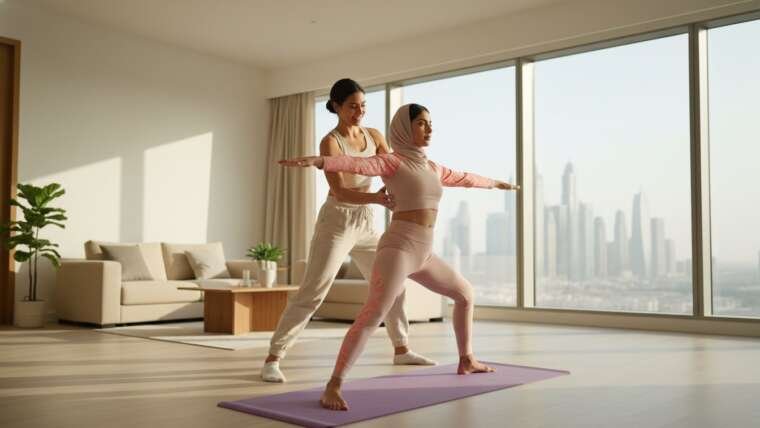
Choosing “doorstep” yoga allows you to practice in a familiar, stress-free environment where you can truly focus on your inner tranquility. There’s no rush to beat traffic or struggle for a spot in a crowded room. Instead, your home becomes a sanctuary for transformation. Our trainers, certified by REPS UAE and the Yoga Alliance, bring their expertise directly to your living room. They ensure that every movement is tailored to your specific needs, whether you’re a senior looking for gentle mobility or a lady seeking hormonal balance through traditional Hatha Yoga practice.
The Value of a Private Eye
A private instructor acts as a wise mentor, providing real-time corrections that prevent the development of bad habits. Everyone’s anatomy is unique. The way your femur sits in your hip socket or the natural curve of your lumbar spine dictates how high you should lift in your asanas. A personalized approach means your bhujangasana is adapted to your current flexibility levels, not a textbook ideal. This consistency builds a healing journey based on trust and professional reliability, ensuring you progress at a pace that respects your body’s limits. Our trainers watch your breath and your alignment, making sure you never “dump” weight into your joints.
Starting Your Journey with Yogaathome
At Yogaathome, we prioritize your safety and tranquility in every session. Our trainers, such as Rajesh Sir or Nanthu Sir, bring over 20 years of experience to your doorstep. We believe that yoga is possible for anyone, provided they have the right guidance and a supportive environment. By integrating the Cobra Pose into a bespoke wellness program, we help you achieve improved spinal mobility and reduced stress. You don’t have to navigate your practice alone or wonder if you’re doing it right.
Peace of mind is happiness, and yoga shows the way. We invite you to step onto your mat in the comfort of your own home and discover the transformative power of a truly personalized practice. Your wellness is not just a goal; it’s a way of life that begins with a single, mindful breath and the expert support you deserve.
Embrace Your Healing Journey Today
Health is wealth, peace of mind is happiness, and yoga shows the way. You’ve discovered that mastering bhujangasana is not about the height of your lift, but the length of your spine and the depth of your breath. By prioritizing alignment over ego, you protect your lower back and open your heart to new levels of vitality. This foundational pose offers a sustainable path to rejuvenation for those navigating the unique needs of senior or prenatal wellness, as well as office workers seeking relief from modern postural strain.
True transformation happens when your practice is tailored to your unique journey. Our certified REPS UAE and Yoga Alliance instructors bring more than 20 years of professional expertise directly to your doorstep. We specialize in creating nurturing programs for ladies, seniors, and prenatal clients, ensuring that yoga is possible for anyone. Don’t let the fear of incorrect alignment hold you back from the tranquility you deserve. Book your personalized private yoga session today and take the next step toward a more flexible, pain-free life. Your path to inner peace is just one mindful breath away.
Frequently Asked Questions
Is Bhujangasana good for lower back pain?
Yes, it is highly effective for relieving mild lower back pain by strengthening the muscles that support your vertebral column. Regular practice helps decompress the spine and can alleviate symptoms of mild sciatica. However, it’s vital to focus on length rather than height to avoid lumbar compression. If you feel sharp pain, you should lower your chest immediately and consult a certified instructor to ensure your alignment is correct.
Can I practice Cobra Pose during pregnancy?
You should avoid the traditional prone version of this pose after your first trimester. Laying on your belly puts unnecessary pressure on the abdomen and the developing baby. Instead, we recommend safer alternatives like the Sphinx pose or a wall-supported Cobra. These modifications allow you to experience the heart-opening benefits without compromising safety during your pre-natal journey. Always listen to your body’s signals of comfort and ease.
What is the difference between Baby Cobra and Full Cobra?
The primary difference lies in the height of the lift and the level of arm engagement. In Baby Cobra, you lift your chest only a few inches using your back muscles alone, with almost no weight in your hands. Full bhujangasana involves straightening the arms more significantly while keeping the pelvis grounded. Beginners should master the baby version first to build the foundational strength needed for a safe, deeper bend without straining the lower back.
How long should I hold Bhujangasana for maximum benefits?
Holding the pose for 15 to 30 seconds is ideal for most practitioners. This duration allows enough time for the respiratory system to expand and the nervous system to settle into a state of tranquility. You can repeat the pose three times as part of a “Yoga Capsule” routine. Always prioritize the quality of your breath over the length of the hold to ensure you aren’t creating tension in your neck or shoulders.
Why do my wrists hurt when I do Cobra Pose?
Wrist pain usually occurs because you are “dumping” your body weight into your joints rather than engaging your back muscles. To fix this, ensure your hands are aligned with your mid-chest and keep a micro-bend in your elbows. Our REPS UAE certified trainers often suggest spreading your fingers wide to distribute the pressure evenly. This simple adjustment protects your carpal bones and redirects the energy back into your core and spinal muscles.
What are the best counter poses to do after Bhujangasana?
Child’s Pose is the most effective counter stretch to neutralize the spine after a backbend. It allows the lower back to lengthen in the opposite direction, releasing any residual tension. Another excellent option is Apanasana, or Knees-to-Chest pose, which gently massages the abdominal organs. These restorative movements are essential for maintaining a balanced and nurturing practice that leaves you feeling rejuvenated rather than strained at the end of your session.
Can seniors with limited mobility perform this pose?
Yes, seniors can certainly enjoy the benefits of this posture by using props like bolsters or chairs for support. bhujangasana is highly adaptable; a senior might perform a gentle version while seated or leaning against a wall to improve their posture. Since 43% of practitioners are between the ages of 30 and 49, we focus on making these movements accessible for every life stage. Yoga is possible for anyone, and age is never a barrier to spinal health.
Is it better to do Cobra Pose in the morning or evening?
Both times offer unique benefits depending on your personal wellness goals. Practicing in the morning helps wake up the spine and provides a boost of vitality for the day ahead. In the evening, the pose can help release the physical “slouch” accumulated from modern office work. Following Sivananda Yoga principles, the most important factor is consistency. Choose the time that allows you to practice with a calm, focused mind and a sense of inner peace.