True wellness begins where the external world fades away. What if the secret to lasting physical vitality isn’t a faster workout, but a slower, more intentional connection to your own breath? Many people feel overwhelmed by the frantic pace of modern fitness, often feeling more like a student of a clock than a student of an ancient art. It’s natural to worry about alignment or feel that a studio commute simply won’t fit into a demanding schedule. We believe that traditional hatha yoga should be an accessible sanctuary, not a source of intimidation or injury.
Below, you’ll discover how this practice serves as a powerful tool for holistic transformation, especially when experienced through personalized, expert-led instruction in your own home. We’ll show you how to improve your posture, melt away daily tension, and build a bespoke routine that honors your body’s unique needs. We’ll walk through the essential principles of the discipline and explain why private guidance is the most effective way to unlock your true potential.
Key Takeaways
- Explore the foundational philosophy of balancing internal energies to achieve a state of profound physical and mental stillness.
- Learn how the three pillars of practice—movement, breath, and meditation—work in harmony to restore your body’s natural vitality.
- Uncover the safety and health benefits of private hatha yoga instruction, which prioritizes your unique alignment over the pace of a crowd.
- Gain practical steps for establishing a dedicated home practice that fits seamlessly into your professional and personal life.
What is Hatha Yoga? Understanding the Foundation of Physical Balance
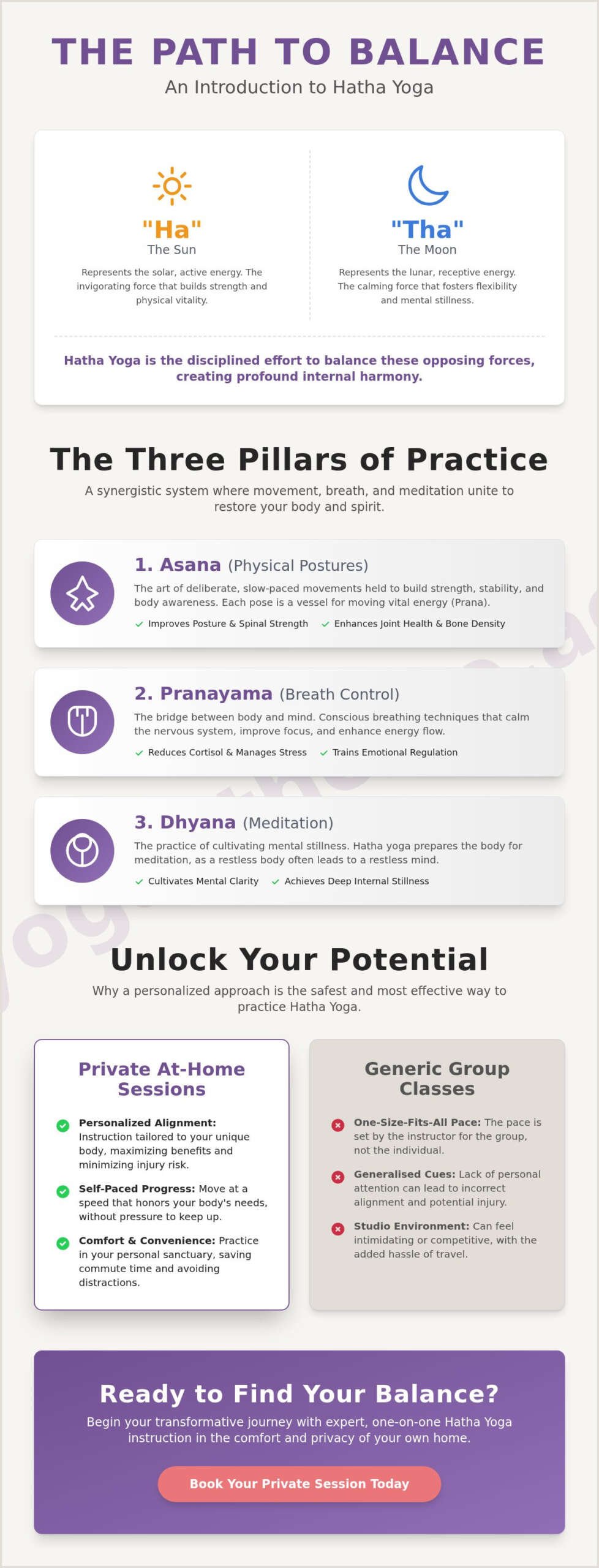
Balance is the cornerstone of a vibrant life. In the context of physical practice, Hatha yoga represents the foundational path of uniting opposing forces. The word itself is derived from “Ha,” meaning sun, and “Tha,” meaning moon. While some academic translations suggest the word means “force,” we prefer to view it as the disciplined, gentle effort required to find equilibrium. This isn’t just an exercise in linguistics; it’s a blueprint for harmony. By balancing the solar, active energy with the lunar, receptive energy, you create a stable environment for both body and mind. While many modern practitioners are familiar with fast-paced Vinyasa or vigorous Ashtanga, these styles are actually descendants of this traditional parent practice. It focuses on deliberate, slow-paced movements and poses that are held for longer durations. This intentional pace allows for a deep focus on alignment and breath, which is often lost in the blur of a high-speed group class.
The Historical Roots of Traditional Hatha
The lineage of this practice stretches back to the 11th century, with foundational texts like the Hatha Yoga Pradipika providing the first structured guides for physical purification. Originally, these techniques were designed as a spiritual discipline to prepare the body for long periods of seated meditation. Today, the practice has evolved into a comprehensive system for holistic wellness, often referred to as traditional hatha yoga in its most authentic form. Unlike the “fitness-first” mentality found in many commercial studios, this approach prioritizes the internal experience over external performance. It’s a restorative process that respects your body’s current state while gently expanding its capabilities through time-honored methods.
Core Philosophy: Achieving Stillness Through Movement
Central to this practice is the cultivation of “Prana,” or vital energy. We view physical postures as more than just stretches; they’re vessels for moving this energy through the body to clear blockages and improve physical health. When you hold a posture, you aren’t just building strength. You’re training your nervous system to remain calm under pressure. This process serves as a vital tool for emotional regulation, helping you carry the tranquility of your mat into the stresses of your professional life. By refining the physical vessel, you create a foundation for deeper mental stillness. This preparation is essential because a restless body often leads to a restless mind.
Because the practice is inherently non-competitive, there’s no pressure to keep up with others. Instead, you’re invited to explore your own boundaries with patience and grace. This approach transforms a simple workout into a lifelong journey toward mental clarity and internal balance. It’s a supportive partnership between your effort and your body’s natural wisdom.
The Three Pillars of Hatha Practice: Asana, Pranayama, and Meditation
Wellness is a tapestry woven from three distinct threads: physical posture, breath, and mental focus. In hatha yoga, these elements aren’t practiced in isolation. They form a synergistic system designed to reset your physiology and restore your spirit. While modern fitness often prioritizes rapid movement, this traditional approach emphasizes holding poses for longer durations. This sustained effort creates isometric tension that tones muscles and stabilizes joints. More importantly, these longer holds encourage the mind to stay present, which helps in reducing cortisol levels and managing daily stress. Understanding the Benefits of Hatha yoga requires looking past the physical shape to see how the breath and mind react to the challenge. Mastering these pillars safely requires a keen eye for alignment, ensuring that each movement serves your health rather than compromising it.
Asana: The Art of Physical Postures
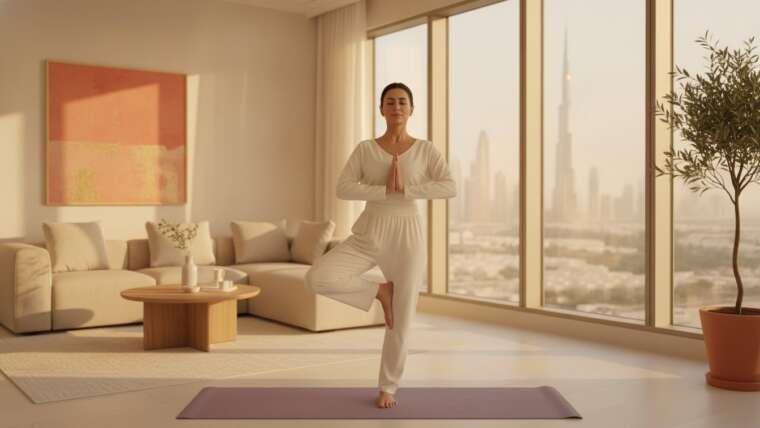
Building a resilient body starts with structural integrity. We often begin with Tadasana, or Mountain Pose, to establish the vertical alignment that supports every other movement in your practice. From this foundation, we explore poses like Bhujangasana, or Cobra Pose, to specifically build spinal strength and counteract the slumped posture common in desk-based work. These isometric holds don’t just build muscle; they improve joint health by increasing bone density and enhancing proprioception. Each posture is a deliberate choice made to honor your body’s current capabilities while gently inviting growth.
Pranayama: Mastering the Breath
The breath is the most direct way to influence your internal state and nervous system. By practicing Pranayama, or breath control, you can actively trigger your parasympathetic nervous system, moving your body from a state of “fight or flight” into “rest and digest.” Simple techniques like Nadi Shodhana, or alternate nostril breathing, help balance the brain’s hemispheres and clear mental fog. Pranayama is the bridge between the conscious and subconscious mind. Learning these techniques under the guidance of a private yoga instructor ensures you develop a rhythm that feels natural and restorative rather than forced.
Dharana and Meditation: Focusing the Mind
Physical stillness is the primary gateway to mental clarity. When the body becomes quiet and the breath becomes steady, the mind naturally follows into a state of focus. This progression culminates in Savasana, or Corpse Pose, which is perhaps the most vital posture for total systemic recovery. It’s during this final rest that the physiological benefits of the entire session are integrated into your nervous system. In a private setting, you can enjoy deeper, uninterrupted meditative states without the distractions or noise of a crowded studio. This focused environment allows you to cultivate a level of tranquility that remains with you long after the session ends.
Why Private Hatha Yoga Sessions Outperform Group Classes
What if the most significant obstacle to your progress isn’t your flexibility, but your environment? Many practitioners find the atmosphere of a public studio more draining than restorative. The pressure to keep pace with a room full of strangers often leads to “performance yoga,” where alignment is sacrificed for the sake of the flow. In a private setting, this intimidation factor vanishes. You’re no longer a face in a crowd; you’re the sole focus of an expert mentor. Practicing in the sanctuary of your own home removes the stress of a commute and allows you to begin your session in a state of pre-existing calm. This familiar environment is the ideal space to explore the deeper health benefits of Hatha yoga, such as improved immunity and core stability, without the distractions of a public setting.
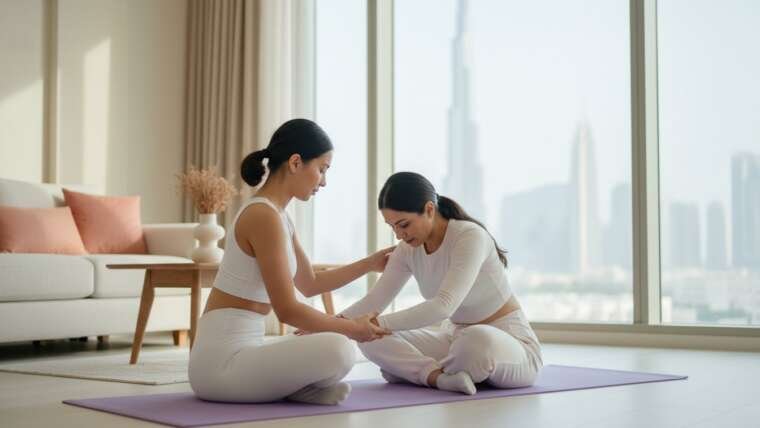
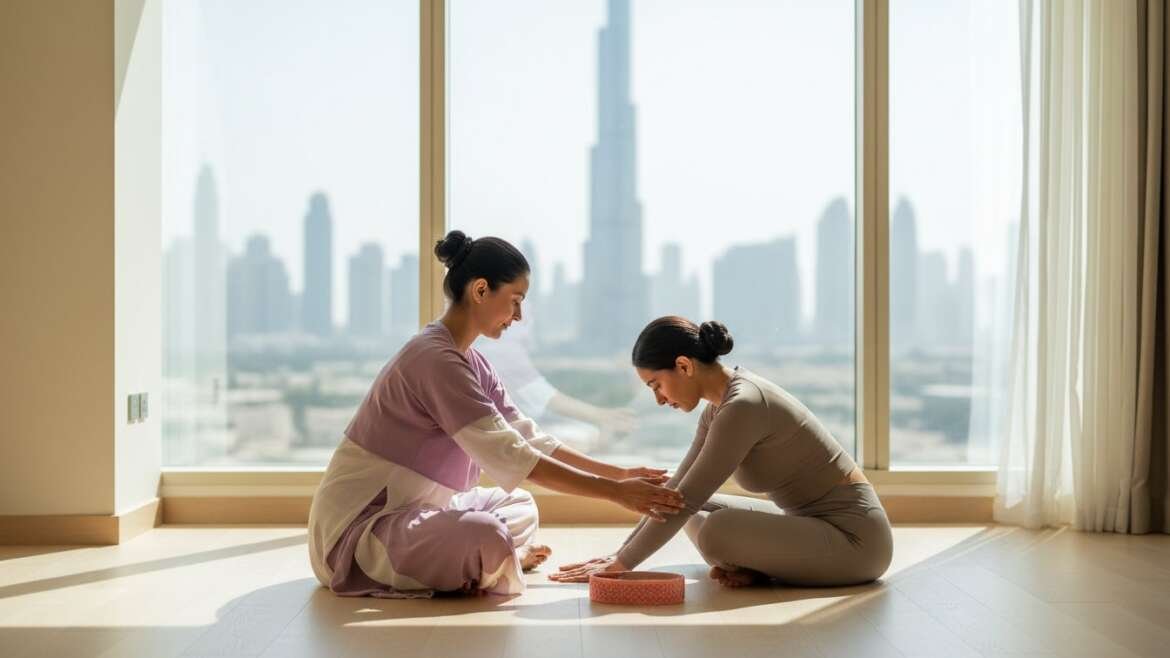
Safety is the primary reason why 1-on-1 instruction is superior. In a group class, even the most attentive instructor can’t monitor every student’s alignment at all times. A private hatha yoga session ensures that every movement is scrutinized and corrected in real-time. This level of precision is vital for injury prevention, especially if you’re dealing with existing physical sensitivities. When your instructor can see exactly how your joints stack and how your spine moves, they can offer micro-adjustments that transform a generic stretch into a therapeutic experience. This personalized pacing naturally leads to faster progress. You won’t spend time on poses that don’t serve you, and you’ll spend more time mastering the ones that do.
Bespoke Instruction for Specific Needs
Every body tells a different story, and a generic class often fails to read the chapters. Private instruction allows for a truly bespoke experience that adapts to your life stage and physical requirements. Whether you’re seeking yoga for seniors to maintain mobility or prenatal yoga to support a changing body, the practice is tailored to your unique anatomical structure. In the UAE, many women prefer the privacy of a female instructor for ladies-only sessions, ensuring a space where they feel completely comfortable and supported. This customization is particularly effective for those using best yoga poses for back pain, as the sequence is designed to strengthen specific muscle groups while avoiding movements that might aggravate discomfort.
The Role of REPS UAE and Yoga Alliance Certification
Trust is the foundation of any restorative partnership. Choosing a certified professional isn’t just about prestige; it’s a non-negotiable requirement for your safety. Instructors registered with REPS UAE or holding Yoga Alliance credentials have met rigorous international standards. For example, a Registered Yoga Teacher (RYT) must complete at least 200 hours of training in anatomy, philosophy, and ethics. When vetting a private instructor, use this checklist to ensure you’re in safe hands:
- Verify Credentials: Ask for their Yoga Alliance or REPS UAE registration.
- Specialized Training: Ensure they have specific experience in your area of need, such as prenatal or senior care.
- Experience Level: Look for instructors who have maintained their practice over several years.
- Insurance and Punctuality: A true professional respects your time and carries the necessary liability coverage.
How to Start Your Hatha Yoga Practice at Home: A Step-by-Step Guide
A sacred space is the foundation of a sacred practice. Transforming a corner of your living room into a personal sanctuary is the first step in making wellness a sustainable part of your daily rhythm. While many people believe they need a professional studio to see results, your home offers the most controlled and peaceful environment for growth. Starting a hatha yoga practice doesn’t require a total home renovation, but it does require intentionality. By following a structured approach, you can ensure that your home environment supports your physical goals and mental clarity from day one.
Step 1: Setting Up Your Practice Environment
The physical space where you practice acts as a psychological trigger. When you enter a dedicated area, your brain begins to activate the “relaxation response,” lowering your heart rate before you even step onto the mat. Choose a spot with natural light and good ventilation, as fresh air is essential for deep pranayama. Minimize distractions by silencing your phone and coordinating with family members to ensure you have at least sixty minutes of uninterrupted privacy. If you’re just starting, we recommend investing in a few essential tools to support your alignment:
- High-Grip Mat: Provides the stability needed for held postures.
- Yoga Blocks: These help “bring the floor to you,” ensuring safe alignment in standing poses.
- Cotton Straps: Useful for gradually increasing flexibility without straining your muscles.
Step 2: Preparing Your Body and Mind
Traditional practice is most effective when the body is light and the mind is clear. We recommend practicing on an empty stomach, ideally waiting two to three hours after a heavy meal. Hydrate well throughout the day, but avoid drinking large amounts of water immediately before your session. Before your instructor arrives, take five minutes to sit in silence and set a “Sankalpa,” or a heartfelt intention. This simple mental shift transforms a physical workout into a purposeful ritual. Wear breathable, flexible clothing that allows you to move freely without restriction, as comfort is a prerequisite for focus.
Step 3: Following a Professional Assessment
Your first session with a private trainer is much more than a workout. It’s a comprehensive assessment of your mobility, history, and wellness goals. This is the time to communicate any physical limitations or past injuries clearly. A professional will observe how your body moves and design a sequence that honors your unique anatomical structure. The most important rule of hatha yoga is to listen to your body. Progress should never feel forced; it should feel like a natural unfolding. Consistency is always more valuable than intensity in these early stages. If you’re ready to begin this restorative journey, you can book your initial assessment today and start building a routine that fits your life.
Elevating Your Wellness with Yogaathome’s Private Instruction
True health is a journey that meets you exactly where you are, rather than asking you to change before you begin. At Yogaathome, we’ve refined the art of personal wellness by bringing the practice directly to your sanctuary. As the premier provider of yoga classes in Dubai and across the UAE, we understand that your home is the most effective place for profound transformation. Our door-to-door service removes the friction of city commutes, allowing busy professionals and families to prioritize their well-being without compromise. We believe that a hatha yoga practice should be a seamless part of your lifestyle, providing a reliable anchor in an often unpredictable world.
Our team consists of highly skilled mentors who carry prestigious REPS UAE and Yoga Alliance certifications. These credentials aren’t just badges of honor; they’re your guarantee of a safe, anatomically informed experience. Beyond their technical expertise, our trainers are chosen for their empathy and ability to connect with students on a human level. We don’t just teach poses. We act as supportive partners in your restorative process, ensuring that every personalized session aligns with your specific health goals and physical needs. This commitment to holistic wellness ensures that your time on the mat translates into tangible improvements in your daily life.
Ladies-Only and Specialized Programs
We recognize that different life stages and cultural preferences require a bespoke approach. For our female clients, we offer the comfort and complete privacy of ladies-only sessions led by expert female instructors. This creates a secure environment where you can practice with total confidence. Our specialized hatha yoga programs also cater to unique demographics, including gentle routines for seniors and supportive care for pre-natal and post-natal recovery. Additionally, our corporate programs bring these benefits into the workplace, helping teams reduce stress and improve focus through guided mindfulness and movement. This inclusivity is a cornerstone of our philosophy, ensuring that wellness is accessible to everyone.
Your Journey to Balance Starts Today
The path to mental clarity and physical vitality is closer than you think. By choosing 1-on-1 mentorship, you’re investing in a practice that grows alongside you, adapting to your progress and challenges in real-time. This dedicated attention ensures that the benefits of your practice extend far beyond the mat, influencing your daily energy and internal balance. We invite you to experience a more sustainable, life-long approach to well-being that honors your time and your body. It’s time to reclaim your peace and discover the strength within. You can book your private Hatha yoga session with Yogaathome today and take the first step toward a more balanced life.
Begin Your Journey to Internal Balance
Health is a lifelong commitment, and your journey toward a more centered version of yourself starts with a single, intentional step. We’ve explored how the traditional foundation of hatha yoga creates a bridge between physical vitality and mental stillness. By choosing the safety of REPS UAE Certified and Yoga Alliance Registered instructors, you ensure that every posture is a restorative act rather than a physical risk. Our tailored ladies-only sessions and specialized programs for seniors or prenatal care prove that wellness is an inclusive path, accessible from the comfort of your own living room.
You don’t have to navigate this process alone. Expert mentorship is ready to meet you at your door, providing the bespoke guidance necessary to unlock your body’s true potential. Book Your Private Hatha Yoga Session with Certified Female Trainers
Take this moment to prioritize your personal growth and reclaim your tranquility. Your body is a temple, and we’re here to help you find the profound stillness within. We look forward to supporting your transition into a healthier, more balanced way of life.
Frequently Asked Questions
Is Hatha yoga suitable for absolute beginners?
Yes, it is widely considered the most accessible entry point for those new to the practice. The slower pace and emphasis on individual postures allow you to learn correct alignment without the pressure of keeping up with a fast-paced flow. This foundational approach ensures you build a safe and sustainable practice from your very first session, making hatha yoga an ideal choice for any fitness level.
How many times a week should I practice Hatha yoga to see results?
We recommend practicing two to three times per week to experience a noticeable transformation in your physical and mental well-being. Consistency is far more important than intensity when you’re beginning your journey. Within a few weeks of regular sessions, most practitioners report improved flexibility, better posture, and a significant reduction in their daily stress levels.
Do I need to be flexible to start Hatha yoga?
No, you don’t need to be flexible to begin your practice. Flexibility is a result of the work, not a prerequisite for it. Our instructors use specialized props like blocks and straps to modify poses, ensuring they’re accessible to your current range of motion. Over time, the deliberate stretching and holding of postures will naturally increase your body’s suppleness and ease of movement.
What is the difference between Hatha and Vinyasa yoga?
Hatha focuses on static postures and mindful holds, while Vinyasa is characterized by a fluid, breath-to-movement “flow.” In a traditional session, you’ll spend more time refining each pose and finding internal stillness. Vinyasa is often more aerobic and fast-paced. This makes the traditional Hatha style better suited for those who want to focus on deep alignment and mental clarity.
Can Hatha yoga help with chronic back pain?
Yes, it’s highly effective for managing and reducing chronic back pain by strengthening the core and stabilizing the spine. Our specialized hatha yoga programs for back health focus on best yoga poses for back pain that alleviate tension in the lumbar and cervical regions. By practicing under expert guidance, you can safely address the root causes of discomfort without the risk of further injury.
Is it better to practice yoga in the morning or evening?
The best time to practice depends entirely on your personal goals and daily schedule. A morning session can energize your body and sharpen your mental focus for the day ahead. Conversely, an evening practice is excellent for releasing the day’s accumulated tension and preparing your nervous system for deep, restorative sleep. We offer flexible scheduling to match your natural rhythm.
Do your instructors bring their own equipment to my home?
Our instructors provide the necessary expertise and can bring specialized props like blocks and straps to assist your practice. For hygiene reasons, we recommend that every client has their own high-grip yoga mat. If you’re unsure which equipment to purchase, your trainer will provide a personalized recommendation during your initial assessment to help you create your home sanctuary.
Are the instructors certified by recognized international bodies?
Yes, every one of our mentors holds prestigious certifications from internationally recognized organizations. Our team members are registered with Yoga Alliance and REPS UAE, ensuring they meet the highest global standards for safety, anatomy, and ethical teaching. This professional reliability allows you to relax fully into your practice, knowing you’re supported by an expert with years of dedicated training.