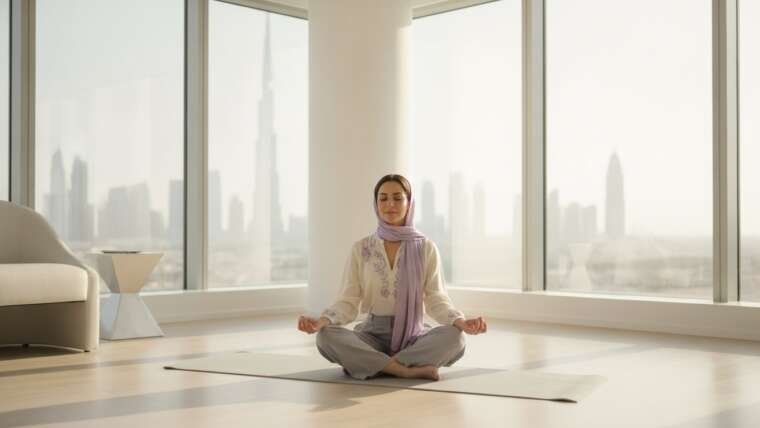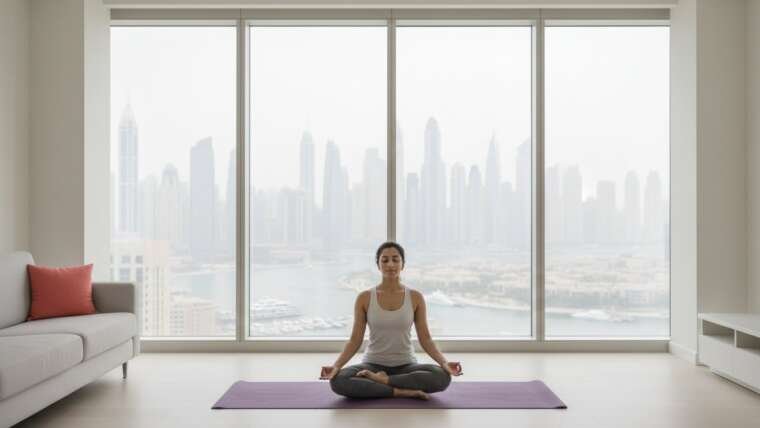
What if the most powerful antidote to modern stress isn’t a faster workout, but a slower one? If you’ve ever felt put off by high-intensity yoga classes that leave you breathless and bewildered, you’re far from alone. The hatha yoga benefits that practitioners have relied on for centuries aren’t reserved for the ultra-flexible or the chronically calm; they’re waiting for anyone willing to slow down long enough to receive them.
You already sense that something needs to change. The stiffness in your lower back, the tension you carry in your shoulders at the end of a long day, the mental noise that simply won’t quiet down; these are real, and they deserve a real solution. Hatha yoga, the foundational practice from which most modern styles are born, works precisely at that intersection of body and mind.
In this guide, you’ll discover exactly what hatha yoga does for your physical health, your mental clarity, and your long-term resilience. We’ll walk through the core benefits, explain the science behind the practice, and show you how a personalised, private approach makes it accessible no matter where you’re starting from.
Key Takeaways
- The hatha yoga benefits you’ll discover in this guide go far beyond flexibility — they span functional strength, nervous system regulation, and lasting mental clarity rooted in centuries of practice.
- Hatha yoga’s slow, static holds work directly on connective tissue and breath, making it one of the safest and most effective approaches for beginners, seniors, and those managing back pain or postural issues.
- Pranayama, the breath control component of hatha yoga, actively shifts your body into its parasympathetic state — meaning a structured practice can measurably reduce stress hormones and quiet mental noise.
- Private, certified instruction delivered to your home or office removes the most common barriers to starting — no commute, no crowded studio, and every session adapted to your specific body and goals.
- By the end of this guide, you’ll know exactly how to assess your starting point, choose the right environment for your sessions, and take your first practical step toward a personalised hatha yoga practice.
What is Hatha Yoga? Understanding the Foundation of Balance
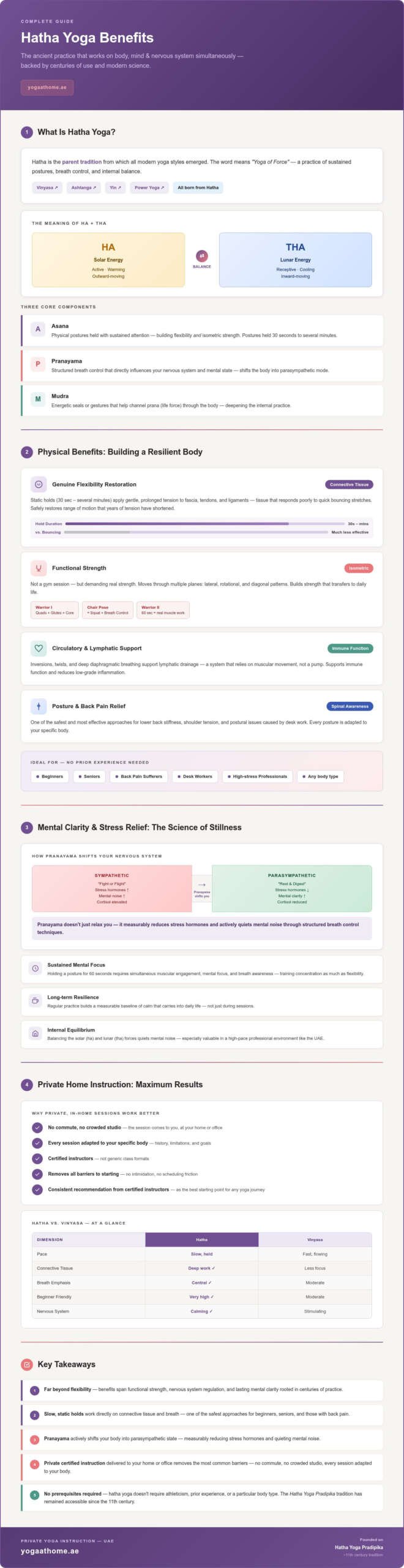
Before you can fully appreciate the hatha yoga benefits available to you, it helps to understand what hatha actually is — not the watered-down studio version, but the complete, layered practice that has shaped every modern yoga style you’ve ever heard of. Hatha is the parent tradition. Vinyasa, Ashtanga, Yin, Power yoga — all of them grew from its roots.
The word itself is often translated as the “Yoga of Force,” and that framing matters. This isn’t a passive stretch class. Hatha asks you to hold postures long enough for real physiological change to occur, to control your breath with precision, and to direct your internal energy deliberately. Three core components define the practice:
- Asana — physical postures held with sustained attention, building both flexibility and isometric strength
- Pranayama — structured breath control that directly influences your nervous system and mental state
- Mudra — energetic seals or gestures that help channel prana (life force) through the body
Where Vinyasa flows from one posture to the next in a continuous, often breathless sequence, hatha holds still. That stillness is deceptive. Maintaining Warrior II for sixty seconds demands significant muscular engagement, mental focus, and breath awareness simultaneously. Beginners frequently discover that “slow” and “easy” are not synonyms.
The Etymology of Ha and Tha
At its esoteric core, “ha” represents solar energy — active, warming, outward-moving — while “tha” represents lunar energy, receptive, cooling, and inward. The practice exists to balance these two forces within you. When they align, the mental noise settles. This principle of internal equilibrium is particularly relevant in the UAE, where the demands of a high-pace professional environment and the physical toll of extreme heat create a specific kind of accumulated tension that calls for a genuinely balancing practice rather than another high-intensity outlet.
Hatha Yoga in the Modern Era
The foundational text, the Hatha Yoga Pradipika, dates to approximately the 11th century. Its original context was deeply ascetic and spiritual. Over centuries, and especially through the 20th century’s global wellness movement, the practice evolved toward physical health and holistic well-being without abandoning its structural depth. What remained constant is hatha’s accessibility: it doesn’t require athleticism, prior experience, or a particular body type. That’s precisely why certified instructors working privately with clients — adapting every session to the individual’s body, history, and goals — consistently recommend it as the most sensible starting point for any yoga journey.
The Physical Benefits of Hatha Yoga: Building a Resilient Body
Your body is designed to move through a full range of motion. Modern life, with its long hours at a desk, car commutes, and screen-heavy evenings, systematically undoes that design. Hatha yoga works against that erosion, not through force, but through sustained, intelligent attention to how your body actually functions.
The physical hatha yoga benefits operate across several distinct systems simultaneously. Static holds, typically maintained for thirty seconds to several minutes, apply gentle, prolonged tension to connective tissue, including fascia, tendons, and ligaments, which respond poorly to the quick, bouncing stretches most people default to. Over time, this approach safely lengthens tissue that years of tension have shortened, restoring ranges of motion you may have assumed were simply gone.
Strength is equally present, though it doesn’t look like a gym session. Holding Warrior I requires your quadriceps, glutes, and core to work isometrically against gravity. Chair Pose taxes the same muscle groups as a squat, but demands breath control and spinal awareness at the same time. Because hatha moves through multiple planes of motion, including lateral, rotational, and diagonal patterns, it builds the kind of functional strength that actually transfers to daily life.
There’s also a circulatory dimension that’s easy to overlook. Inversions, twists, and deep diaphragmatic breathing all support lymphatic drainage, which relies on muscular movement rather than a pump. Improved lymphatic flow contributes to immune function and reduces the low-grade inflammation that accumulates with sedentary habits. For those living and working in the UAE’s heat-intensive environment, where the body is already managing additional physiological stress, this circulatory support carries particular value.
Spinal Health and Posture Correction
Chronic lower back pain is rarely a structural problem in isolation. It’s usually a postural one. The sustained forward lean of desk work shortens hip flexors, weakens deep spinal stabilisers, and compresses the lumbar discs in ways that accumulate quietly until they don’t. Hatha’s emphasis on spinal extension, lateral flexion, and axial elongation directly counteracts the “office slump.” Poses like Cat-Cow, Sphinx, and supported Bridge re-establish the natural spinal curves that compression erases. If back pain is a primary concern for you, our detailed guide to the best yoga poses for back pain offers a practical, pose-by-pose breakdown worth reading alongside this guide.
Specialised Benefits for Seniors and Expectant Mothers
Two groups stand to gain enormously from hatha yoga, yet are most frequently underserved by generic class formats: seniors and expectant mothers. For older adults, gentle hatha variations support bone density through weight-bearing poses, improve proprioception to reduce fall risk, and maintain the joint mobility that determines independence. For expectant mothers, modified asanas ease the postural strain of a shifting centre of gravity, support pelvic floor function, and build the breath awareness that proves genuinely useful during labour.
In both cases, certified guidance isn’t a luxury; it’s a prerequisite. Contraindicated poses exist in both contexts, and what helps one person can harm another depending on trimester, existing conditions, or mobility history. Working with a qualified instructor, one who arrives at your home and adapts every session specifically to your body and stage of life, removes that risk entirely. Explore private yoga sessions tailored for seniors and pre-natal practitioners to understand what a properly structured, personalised approach looks like in practice.
Mental Clarity and Stress Relief: The Science of Stillness
The mind doesn’t quiet down on command. But it does respond to the body. This is the insight that makes hatha yoga genuinely distinct from other stress-management tools: it works on mental clarity not through thinking, but through breath, posture, and the deliberate experience of physical stillness.
Pranayama is the mechanism. When you extend your exhale to twice the length of your inhale, a technique central to hatha practice, you directly activate the parasympathetic branch of your autonomic nervous system. This is the branch responsible for rest, digestion, and recovery. The result isn’t relaxation as a vague feeling; it’s a measurable physiological shift away from the fight-or-flight state that chronic stress keeps most people locked in. Cortisol levels respond accordingly. The body, receiving clear signals through controlled breath, begins to stand down.
Holding a challenging pose adds a second layer. When you sustain Warrior II for sixty seconds while maintaining slow, deliberate breathing, you’re training your nervous system to stay regulated under mild stress. That capacity transfers. The same mental steadiness you build on the mat begins to appear in a difficult meeting, a frustrating commute, or a sleepless night. It’s not metaphorical resilience. It’s a practised neurological response.
Sleep quality is another area where the hatha yoga benefits show up clearly. An evening practice, even fifteen to twenty minutes of supported forward folds and slow diaphragmatic breathing, reduces the physiological arousal that prevents sleep onset. The body temperature drop that follows deep stretching, combined with parasympathetic activation, creates conditions that mirror the natural pre-sleep state.
Vagus Nerve Stimulation and Emotional Health
The vagus nerve runs from your brainstem through your heart and lungs to your digestive system, and its tone, meaning how well it functions, directly predicts your capacity to recover from stress. Deep yogic breathing, particularly extended exhales and breath retention, stimulates vagal activity in ways that reduce baseline anxiety and support emotional regulation. Physical openness in poses like supported Fish or reclined Bound Angle isn’t incidental; the chest and hip regions hold chronic muscular tension that correlates with emotional guarding. Releasing that tension through sustained holds often produces an unexpected emotional lightness. Hatha yoga acts as a physiological buffer between the demands of daily life and your nervous system’s response to them.
Focus and Productivity in the Workplace
High-pressure professional environments in the UAE generate a specific kind of mental fatigue: not the tiredness that sleep fixes, but the cognitive depletion that comes from sustained concentration without recovery. Hatha’s meditative techniques, including drishti (focused gaze) and breath-anchored attention, train the same neural circuits involved in sustained concentration. Brief, structured hatha stretches incorporated into a corporate wellness routine, something a certified instructor can design specifically for an office environment, have been reported by practitioners to sharpen mental clarity between demanding tasks. This is why corporate yoga sessions delivered directly to your workplace represent a practical, evidence-aligned investment in team performance, not simply a wellbeing perk.
Maximizing Results Through Private Home Instruction
Every yoga posture carries a margin for error. In a group class of twenty, an instructor physically cannot watch every student’s knee alignment in Warrior I, notice the subtle rounding in your lower back during a forward fold, or catch the wrist compensation you’ve been making for months. Over time, those small misalignments compound. What begins as an inefficiency becomes a habit, and habits become injuries. Private home instruction removes that risk entirely by placing a certified instructor’s full attention on one person: you.
Real-time postural correction isn’t a minor convenience. It’s the difference between a practice that builds your body and one that quietly damages it. When your instructor observes your specific movement patterns, they can adjust your stance, cue your breath, and modify a pose before any strain develops. That level of attentiveness is simply structurally impossible in a group setting, regardless of how skilled the teacher is.
Customization extends well beyond safety. If your primary goal is hip opening, your session can be built almost entirely around that. If core strength is the priority, or if tight hamstrings are limiting your forward folds, every element of the sequence, the warm-up, the peak poses, the cool-down, gets shaped around your specific body and its specific needs. That kind of intentional design is where the deeper hatha yoga benefits become available to you, not through generic sequences, but through work that actually addresses your starting point.
Personalized Progress vs. Group Limitations
Beginners in private sessions tend to progress noticeably faster than those in group classes, and the reason is straightforward: every minute of instruction is directed at them. There’s no waiting for others to settle, no sequences paced for an average student, and no limitations hidden behind self-consciousness. If tight hamstrings or weak wrists are holding your practice back, those specific areas receive focused, intelligent attention rather than a generalized cue delivered across a crowded room. Our guide to yoga classes in Dubai explores in detail how private home practice compares to studio attendance for practitioners at every level.
For ladies who prefer to practice in a female-only environment, this model carries additional value. Sessions delivered at home by a female instructor create a genuinely comfortable, private space where self-consciousness dissolves and the practice can deepen without distraction. That psychological safety isn’t trivial; it directly affects how freely you move and how honestly you engage with the work.
Building a Consistent Lifestyle Habit
Consistency is where most wellness intentions fail. The commute gets long, the class time shifts, the parking is impossible, and gradually the practice disappears. Bringing the session to your living room, your garden, or your office removes every one of those friction points. Your mat is already there. The time is already set. Your instructor is already on the way.
There’s also a quieter psychological benefit to practicing in a familiar space. Your home environment, with its particular light, its known sounds, its personal atmosphere, becomes associated with the calm and clarity that your practice produces. Over time, simply stepping onto your mat in that space begins to cue the same settled state that the practice itself creates. Wellness stops being something you travel to and becomes something you live inside. That shift, from isolated sessions to an integrated daily reality, is where a hatha yoga practice genuinely transforms a life rather than simply improving a Tuesday morning.
Book a private hatha yoga session delivered to your home or office and experience firsthand what a fully personalised practice feels like from the very first session.
How to Start Your Hatha Journey with Yogaathome
Knowing the hatha yoga benefits is one thing. Taking the first practical step toward experiencing them is another. The gap between those two points is where most people stall, not from lack of motivation, but from uncertainty about where to begin. Starting with Yogaathome removes that uncertainty entirely, because the first conversation isn’t about selling you a package; it’s about understanding you.
Begin by honestly assessing two things: your current physical starting point and your primary goal. Are you managing chronic lower back tension? Looking to reduce the anxiety that’s been quietly building? Rebuilding mobility after a period of inactivity? Your answer shapes everything that follows, from the specific program you’re matched with to the pace at which your sessions progress. A certified instructor who arrives at your home with that context already in hand is a fundamentally different experience from walking into a studio class cold.
Yogaathome’s instructors hold REPS UAE and Yoga Alliance certifications, the recognised standards for professional fitness and yoga instruction in the UAE. That matters practically: it means your instructor understands anatomy, contraindications, and safe progressions, not just posture names. Your first session typically includes a physical assessment that identifies your current range of motion, any areas of chronic tension or injury history, and your breath patterns. From that baseline, every subsequent session is built with genuine intention.
Selecting your environment is simpler than it sounds. Most clients practice in a living room, a spare bedroom, or a garden space. What you need is a clear area roughly two metres by one metre, reasonable ventilation, and enough privacy to move freely. Your instructor can advise on any basic props, such as a block or strap, that would support your specific program, though many sessions require nothing beyond a mat.
Choosing Your Specialised Program
Yogaathome offers distinct programs designed around real demographic needs: Ladies Yoga, Seniors Yoga, Yoga for Back Pain, Pre-natal Yoga, and Post-natal Yoga, among others. For ladies who prefer a female-only environment, female instructors are available, creating a genuinely private space where cultural comfort and physical openness reinforce each other. That psychological ease isn’t incidental; it directly affects how deeply you can engage with the practice from your very first session.
Booking Your First Private Session
The process is straightforward. You contact Yogaathome, share your goals and any relevant health background, and a certified instructor is scheduled to come directly to your home or office at a time that fits your life. Session frequency is set around your schedule, not a studio timetable. Whether that’s twice weekly or once to begin, consistency matters more than volume in the early stages.
The hatha yoga benefits you’ve read about throughout this guide don’t arrive through reading. They arrive through practice, and that practice starts with one session, in your own space, with an instructor whose full attention is on you.
Book your first private hatha yoga session with Yogaathome and take the step that moves this from intention to lived experience.
Your Practice Begins the Moment You Step onto the Mat
The hatha yoga benefits explored throughout this guide aren’t theoretical. Stronger posture, a quieter nervous system, genuine relief from chronic tension, and the mental clarity that comes from a practice built specifically around your body; these are outcomes that accumulate session by session, in your own space, at your own pace.
Three things make that possible: the right practice, the right guidance, and the right environment. Hatha provides the practice. Yogaathome’s REPS UAE and Yoga Alliance certified instructors provide the guidance. Your home provides the environment, no commute required, no crowded studio, just focused, personalised work that actually fits your life.
Whether you’re drawn to the specialised Ladies-only sessions, a seniors program designed around your body’s current needs, or simply want to begin with a private session delivered to your door anywhere across the UAE, the starting point is the same.
Book your private home yoga session with a certified female trainer today and discover what a practice built entirely around you feels like from the very first breath.
Frequently Asked Questions About Hatha Yoga Benefits
Is Hatha Yoga Suitable for Absolute Beginners?
Yes, hatha yoga is widely regarded as the most beginner-friendly yoga style available. Its slower pace, static holds, and emphasis on breath awareness give you time to understand each posture before moving on. You’re not chasing a flowing sequence or matching someone else’s pace. That structural breathing room makes it genuinely accessible, regardless of your fitness background or prior experience with any movement practice.
Working with a certified instructor in a private setting accelerates this process considerably. Rather than decoding a group class while trying not to fall over, your first sessions focus entirely on your body, your breath, and your specific starting point. That personalised foundation makes the transition from complete beginner to confident practitioner far smoother than a studio class typically allows.
How Often Should I Practice Hatha Yoga to See Benefits?
Two to three sessions per week is a practical and sustainable starting frequency for most people. At that cadence, your nervous system, connective tissue, and postural muscles receive enough stimulus to adapt between sessions without being overwhelmed. Noticeable changes in flexibility and stress levels typically begin to emerge within four to six weeks of consistent practice at this frequency.
Consistency matters more than volume, particularly in the early stages. One focused, well-guided session per week will produce better results than sporadic bursts of daily practice followed by long gaps. If your schedule is genuinely tight, even a single weekly private session, supplemented by short breathwork practices on other days, creates a meaningful foundation to build from.
Can Hatha Yoga Help With Weight Loss?
Hatha yoga contributes to weight management, though not primarily through caloric expenditure in the way that cardio-focused exercise does. Its more significant contribution is hormonal: regular pranayama and sustained posture work reduce cortisol, the stress hormone strongly associated with abdominal fat retention. Lower baseline stress levels support healthier appetite regulation and reduce the stress-driven eating patterns that undermine many weight loss efforts.
Hatha also builds lean muscle through isometric holds, which gradually increases resting metabolic rate over time. For sustainable, long-term weight management rather than rapid loss, this combination of hormonal balance, improved body awareness, and functional strength makes hatha a genuinely useful part of a broader wellness approach rather than a standalone solution.
Do I Need to Be Flexible to Start Hatha Yoga?
Flexibility is a result of hatha yoga practice, not a prerequisite for it. Arriving with tight hamstrings, a stiff lower back, or limited shoulder mobility is entirely normal and doesn’t limit what you can do in your first session. Poses are modified to meet your current range of motion, and props like blocks and straps extend your reach without forcing your body into positions it isn’t ready for.
The idea that you need to be flexible before starting yoga is one of the most persistent misconceptions in wellness culture. A certified instructor working privately with you will assess your actual range of motion in your first session and build every subsequent sequence around what your body can do today, not what it might do in six months.
What is the Difference Between Hatha and Vinyasa Yoga?
The defining difference is pace and structure. Hatha holds individual postures for extended periods, typically thirty seconds to several minutes, with deliberate attention to breath and alignment in each position. Vinyasa links postures into continuous flowing sequences, moving with each breath in a way that raises heart rate and demands more cardiovascular fitness. Hatha is the parent tradition; vinyasa is one of the many styles that evolved from it.
For anyone managing stress, postural issues, or returning to movement after a period of inactivity, hatha’s stillness is a genuine advantage rather than a limitation. The sustained holds create deeper tissue change and more deliberate nervous system regulation than a flowing sequence typically allows. Vinyasa has its place, but the hatha yoga benefits around structural restoration and parasympathetic activation are harder to replicate at speed.
Is Hatha Yoga Safe During Pregnancy?
Modified hatha yoga can be safe and genuinely beneficial during pregnancy, but it requires a certified instructor with specific pre-natal training. Several standard postures are contraindicated during pregnancy, including deep twists, strong inversions, and poses that compress the abdomen, and what’s appropriate changes significantly across trimesters. A generic class, even a gentle one, doesn’t account for these distinctions reliably.
Yogaathome’s pre-natal yoga sessions are designed specifically for expectant mothers, delivered by certified instructors at home where you can move freely and comfortably. That private, adapted environment removes the guesswork entirely. If you’re pregnant and considering starting a practice, always consult your healthcare provider first, then ensure your instructor holds recognised certification in pre-natal yoga specifically.
What Equipment Do I Need for a Home Hatha Yoga Session?
A non-slip yoga mat is the only essential piece of equipment for most home sessions. A clear floor space of roughly two metres by one metre, good ventilation, and comfortable clothing complete the basic setup. Your certified instructor will advise on any props, such as a yoga block or strap, that would specifically support your program, but many sessions require nothing beyond the mat itself.
One of the practical advantages of private home instruction is that your instructor arrives with a clear understanding of your space and goals, so there’s no need to invest in equipment speculatively before your first session. Start with what you have. Supplementary props can be introduced gradually as your practice develops and specific needs become clear.
Can Hatha Yoga Improve My Posture and Back Pain?
Yes, and this is one of the most consistently reported hatha yoga benefits among practitioners who begin with postural complaints. Hatha’s emphasis on spinal extension, axial elongation, and deep stabiliser engagement directly addresses the muscular imbalances that drive most non-structural back pain. Shortened hip flexors, weakened spinal stabilisers, and compressed lumbar discs all respond well to the sustained, intelligent attention that hatha postures apply.
Results are most reliable when the practice is designed around your specific postural pattern rather than a generic sequence. A certified instructor who assesses your movement and breath in person can identify which areas need lengthening, which need strengthening, and which postures to avoid until certain imbalances are corrected. That precision is what separates a practice that genuinely resolves back pain from one that accidentally aggravates it.