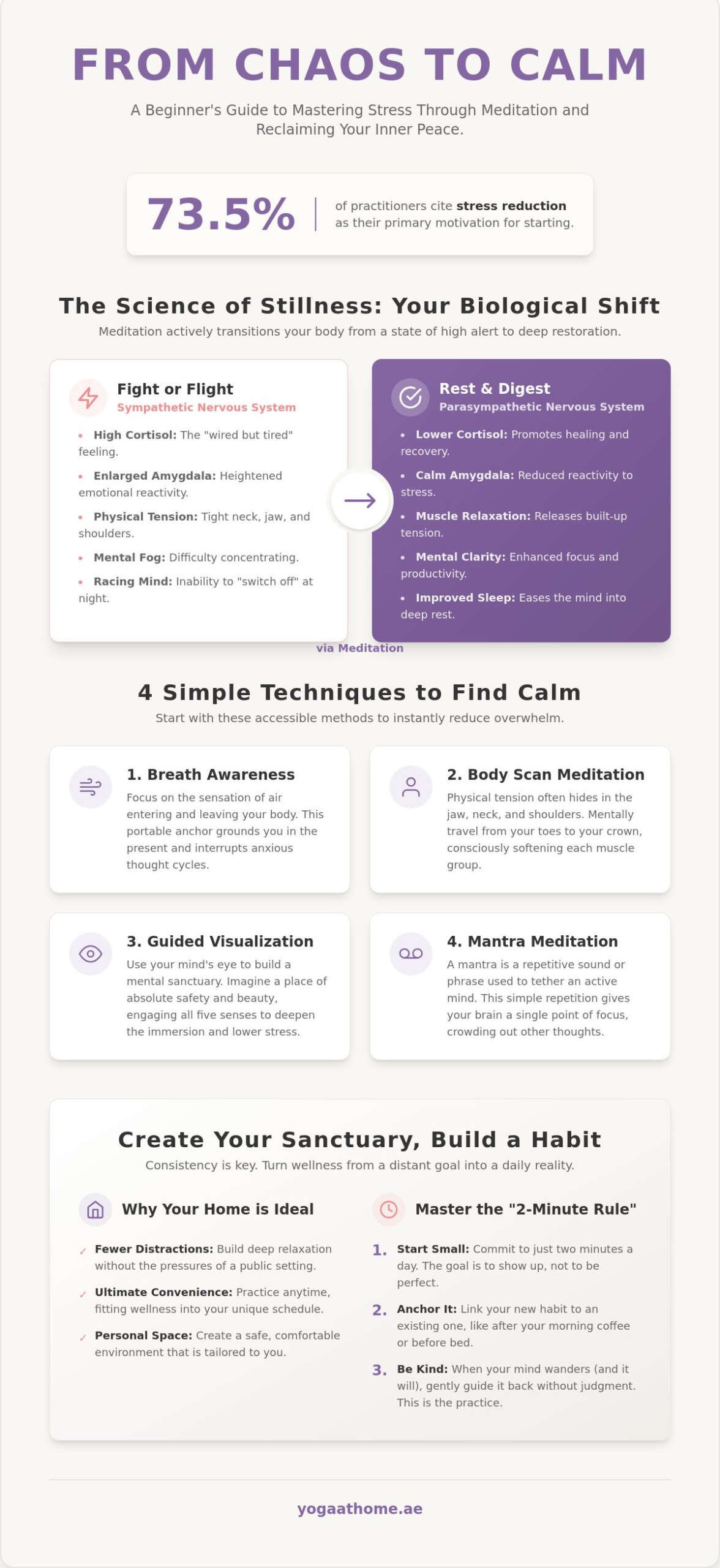
Health is an internal state of harmony that begins with a single, conscious breath. While many view meditation as an escape, it’s truly the art of transforming your own home into a restorative sanctuary. You likely recognize the physical tension in your neck and shoulders or the frustration of a mind that refuses to switch off at night. It’s difficult to find stillness when your daily responsibilities feel like a constant, heavy tide. You’re not alone in seeking beginner meditation techniques for stress to reclaim your balance; in fact, 73.5% of practitioners in 2026 cite stress reduction as their primary motivation for starting.
This guide introduces you to accessible, science-backed methods designed to dissolve overwhelm and cultivate lasting peace. You’ll discover how to achieve an immediate reduction in acute tension while building the emotional regulation needed for long-term resilience. We’ll explore the transition from theory to practice; covering everything from mindful breathing to the rising trend of silent, solo meditation. By the end of this guide, you’ll have the tools to turn wellness from a distant goal into a sustainable daily habit that respects your schedule and your personal growth.
Key Takeaways
- Health is more than physical; it’s a biological transition. Learn how to shift your nervous system from “fight or flight” into a restorative “rest and digest” state.
- Discover accessible beginner meditation techniques for stress, such as breath awareness and body scans, that offer immediate relief from daily overwhelm.
- Learn why your own home is the ideal sanctuary for practice, allowing you to build deep relaxation without the distractions of a public setting.
- Master the “2-minute rule” to quiet the monkey mind and establish a sustainable wellness habit that fits seamlessly into your existing routine.
- Explore the benefits of bespoke guidance to tailor these practices to your unique life stage, ensuring your path to stillness is personal and professional.
The Science of Stillness: Why Meditation is the Antidote to Modern Stress
Health is an internal state of harmony that begins with a single, conscious breath. Meditation serves as a powerful mind-body complementary medicine, offering a bridge between ancient wisdom and modern clinical understanding. When you engage with The Science of Stillness, you aren’t just relaxing; you’re actively altering your physiology. Most people live in a state of high alert, dominated by the sympathetic nervous system. This “fight or flight” mode was designed for survival, yet it now triggers during mundane emails or traffic jams. By adopting beginner meditation techniques for stress, you facilitate a biological shift toward the parasympathetic nervous system, often called the “rest and digest” state. This transition allows your body to heal and your mind to recover from the friction of daily life.
If you feel like your brain is too “busy” to meditate, you’re actually the perfect candidate for these practices. A racing mind is simply a symptom of an overstimulated nervous system, not a failure of character. When you begin practicing beginner meditation techniques for stress, you start to strengthen the vagus nerve, which acts as the primary highway for relaxation signals in the body. Consistent practice has been shown to lower baseline cortisol levels, the hormone responsible for that “wired but tired” feeling. You’re not trying to stop your thoughts; you’re learning to change your relationship with them.
While meditation is a skill developed over time, some find that sensory-controlled environments can jumpstart the process. For example, the profound stillness achieved at Bangkok Float Center serves as a powerful reference point for beginners, showing them exactly what it feels like when the nervous system truly enters a restorative state.
The Cortisol Connection: Understanding the Stress Response
Chronic stress isn’t just a feeling; it’s a physical reality that manifests as tight shoulders and mental fog. The amygdala, a small part of your brain responsible for emotional reactivity, often stays in an enlarged, hyper-active state due to modern pressures. Research suggests that regular meditation can actually shrink the amygdala’s influence, reducing your susceptibility to sudden bursts of anxiety or anger. This allows you to move from reactive living to intentional presence. Instead of being swept away by every challenge, you develop a grounded center that remains steady and calm.
Emotional and Physical Benefits for the Holistic Self
The impact of this practice extends far beyond the cushion. By calming the nervous system before rest, you’ll likely notice a significant improvement in sleep quality and the ability to drift off without a racing mind. In the fast-paced professional environments of the UAE, mental clarity is a vital asset. Enhanced focus and productivity are natural byproducts of a mind that knows how to find its center. This isn’t a quick fix, but a way of building long-term resilience. You’re creating a sanctuary within yourself that remains accessible regardless of external circumstances, fostering a sustainable way of life. For those who wish to explore even deeper levels of emotional healing, Paramount Shift offers professional hypnotherapy services in Dubai that can help unlock the full potential of your personal transformation journey.
5 Beginner Meditation Techniques to Dissolve Stress Instantly
True tranquility is not a destination but a skill that is refined through repetition and patience. While the biological shifts discussed previously provide a foundation, the true art of wellness lies in the application of these beginner meditation techniques for stress. Each method offers a unique pathway to quiet the mind and restore the body’s natural rhythm. By choosing a technique that resonates with your current state, you turn your home into a sanctuary for restorative growth.
- Breath Awareness: Your breath is a constant, portable anchor. By focusing on the gentle sensation of air entering and leaving your nostrils, you interrupt the cycle of anxious thoughts and return to the present moment.
- Body Scan Meditation: Physical tension often hides in the jaw, neck, and shoulders. A systematic body scan involves mentally traveling from your toes to your crown, consciously softening each muscle group as you pass.
- Guided Visualization: Use your mind’s eye to build a mental sanctuary. Imagine a place of absolute safety and beauty, engaging all five senses to deepen the immersion. Research on Deepening the Journey suggests that visualization can significantly lower perceived stress levels.
- Mantra Meditation: A mantra is a repetitive sound or phrase used to tether a wandering mind. It provides a rhythmic focus that prevents the “monkey mind” from drifting into future worries or past regrets.
- Loving-Kindness and Bespoke Guidance: Shifting from self-criticism to compassion is vital for emotional balance. Mastering these subtle shifts often requires the steady hand of a mentor. Through a private meditation session, you can ensure your practice is perfectly tailored to your individual needs and physical capabilities.
The Power of Pranayama: Breathing Techniques for Calm
Pranayama is the sacred bridge between the physical body and the subtle mind. By controlling the breath, you directly influence the nervous system’s response to external pressure.
- Box Breathing: This involves a simple four-count rhythm: inhale for four, hold for four, exhale for four, and hold for four. It’s a favorite among high-performers for regaining immediate focus.
- Diaphragmatic Breathing: By engaging the lower lungs and expanding the belly rather than the chest, you send an immediate signal of safety to your brain.
Mindfulness in Motion: Gentle Techniques for the Restless
Meditation doesn’t always require sitting perfectly still; sometimes, movement is the best way to process stagnant energy. These techniques are ideal for those who find traditional seated practice challenging at first.
- Walking Meditation: Practice finding stillness while moving through your home. Focus entirely on the sensation of each foot striking the floor and the subtle shift in your weight.
- Mindful Observation: Ground yourself in the present by using your five senses to notice the details of your environment, such as the play of light on a wall or the texture of a fabric.
- The STOP Technique: During acute stress, Stop what you’re doing, Take a breath, Observe your feelings, and Proceed with intention.
Creating Your Sanctuary: The Case for Home-Based Meditation
Health is an internal state of harmony that is deeply influenced by your external environment. While public studios offer community, the privacy of your own home eliminates the “performance anxiety” that often hinders those learning beginner meditation techniques for stress. In a private setting, you don’t have to worry about how you look or whether you’re sitting perfectly. This psychological safety allows for a deeper, more honest exploration of your internal landscape. Over time, you’ll find that you begin to associate your living space with profound relaxation rather than just chores or work. By practicing where you live, you turn your home into a permanent anchor of peace.
Living in the UAE often involves managing high-pressure careers and navigating busy urban environments. The stress of a long commute can often undo the benefits of a wellness session before you even arrive back at your door. “Doorstep wellness” represents the future of self-care, where the restorative process happens in your own space. This model respects your schedule and protects your energy, ensuring that your mental clarity remains intact. Utilizing meditation for stress reduction within your home environment ensures that your practice isn’t an isolated event, but a way of life that is accessible and non-intimidating.
Designing Your Sacred Space
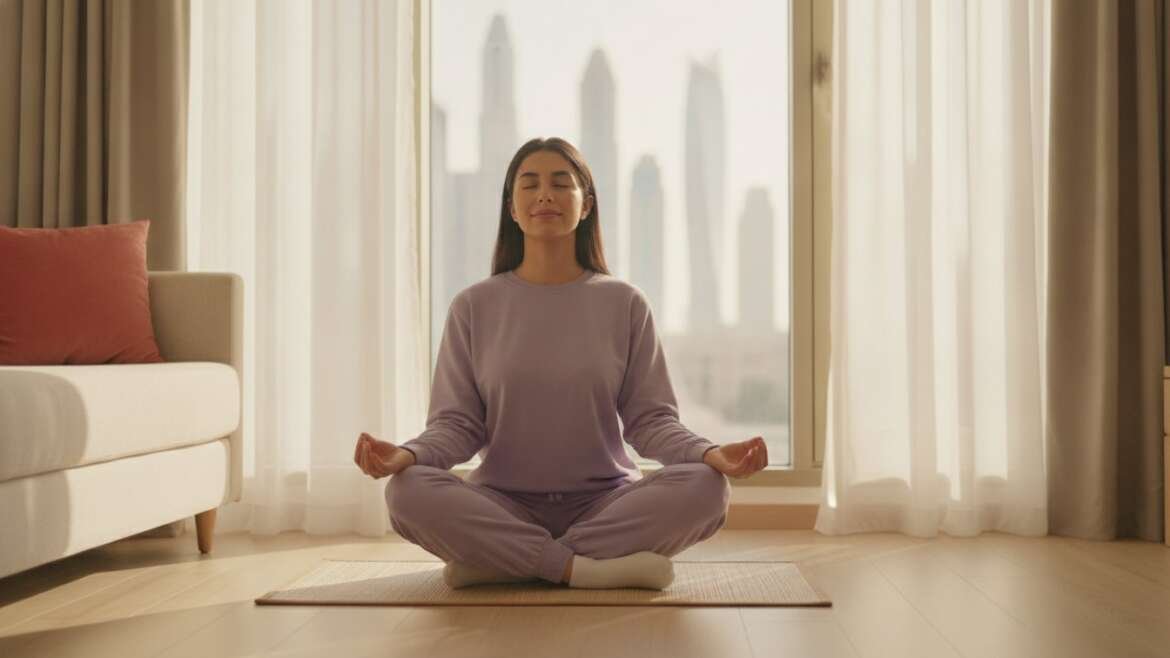
You don’t need a dedicated room to create a “Zen corner.” A small, quiet nook with minimal equipment can have a maximum impact on your focus. In a desert climate, sensory control is vital. Opt for soft, warm lighting and maintain a comfortable temperature to prevent physical restlessness. Scent can also be a powerful trigger for relaxation; consider natural oils like sandalwood or lavender. Most importantly, establish a “no-tech” zone. Protecting your practice from digital intrusions is essential for mastering beginner meditation techniques for stress without the constant pull of notifications. Use a firm cushion or a supportive chair to maintain proper spinal ergonomics, as physical comfort is the foundation of mental stillness.
Meditation for the Modern Lifestyle
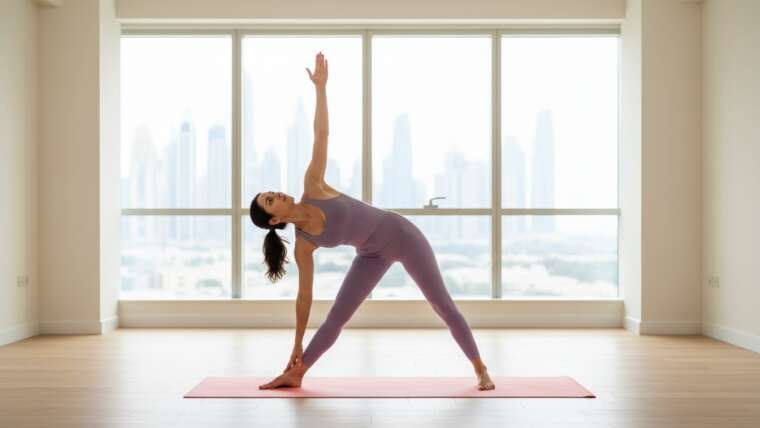
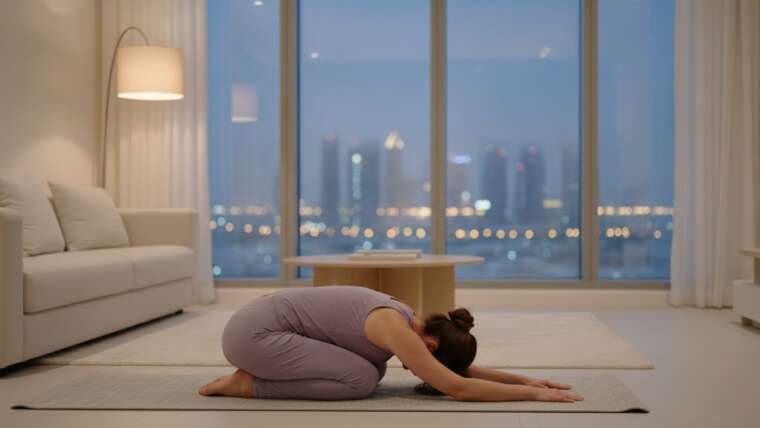
Integrating mindfulness into a busy family or corporate schedule requires a practical approach rather than a perfectionist one. Early morning sessions are excellent for cultivating mental clarity before the day’s responsibilities begin. Conversely, late evening practice can help you switch off and improve sleep quality. Many practitioners find that a physical foundation helps prepare the mind for stillness. Exploring yoga classes in dubai can be a perfect complement to your meditation routine, as the movement helps release the physical tension that often blocks mental quietude. Whether you have ten minutes or an hour, the consistency of home practice is what builds long-term resilience.
Overcoming the ‘Monkey Mind’: Strategies for Consistency
Health is a quiet discipline that rewards consistency over intensity. Many newcomers feel discouraged when their thoughts race, yet this “monkey mind” is a natural part of the human experience. When you practice beginner meditation techniques for stress, the goal isn’t to empty your mind of all activity. Instead, it’s about noticing when you’ve drifted and gently returning to your chosen anchor. This act of noticing is the true core of the practice. It’s helpful to reframe your thoughts as passing clouds in a vast, open sky. You are the sky; the thoughts are merely temporary visitors that don’t define your true nature.
If you’re struggling to find time, embrace the two-minute rule. Committing to just two minutes of stillness every morning is far more effective than trying to find a full hour once a week. This approach lowers the barrier to entry and builds a sustainable habit that fits even the most demanding UAE schedule. During your first 30 days, prioritize patience and self-compassion. You’re retraining your nervous system, a process that requires a grounded and gentle touch rather than forceful effort.
Practical Solutions for Common Hurdles
Physical discomfort can often break your focus during the early stages of practice. If your legs fall asleep or your back aches, don’t hesitate to adjust your posture. You can sit in a firm chair or lean against a wall for support; physical comfort is the foundation of mental stillness. For those with a “to-do list” brain, keep a distraction pad nearby. Writing down a pressing thought allows you to release it from your mind and return to your breath. If external noise is an issue, high-quality earplugs or a steady soundscape can provide the necessary barrier to protect your sanctuary.
The Power of Incremental Progress
Small wins are the foundation of long-term transformation. You might notice you’re reacting more calmly to a stressful email or feeling less tension in your jaw during a difficult meeting. These are the real indicators of success. Tracking your “inner weather” daily helps you see the subtle shifts in your emotional landscape over time. If you find these hurdles persistent and need personalized guidance, a private meditation mentor can provide the bespoke adjustments needed to align the practice with your specific lifestyle and goals.
Five minutes of daily focus beats an hour of sporadic effort every time. This steady rhythm builds the resilience needed to face life’s challenges with a sense of quiet confidence. You aren’t just learning a technique; you’re cultivating a lifelong way of being that values internal balance as much as external achievement. By celebrating the small moments of presence, you turn a simple habit into a restorative way of life.
Deepening the Journey: The Value of Private Meditation Mentorship
Health is a deeply personal journey that flourishes under the guidance of a knowledgeable mentor. While digital platforms offer a convenient starting point, a pre-recorded voice cannot perceive the subtle nuances of your energy or the slight misalignment in your posture. When you’re learning beginner meditation techniques for stress, the empathetic presence of a live instructor ensures that you’re practicing safely and effectively. This human connection transforms a solitary exercise into a supported restorative process. A mentor provides the real-time adjustments that an app simply cannot, helping you navigate the unique mental and physical hurdles that arise during your first weeks of practice.
Bespoke wellness means that your practice evolves with you. Whether you are navigating a high-stress corporate career, seeking Pre-natal Yoga to find balance during pregnancy, or exploring Yoga for Seniors to maintain vitality, your meditation should be tailored to your specific life stage. Expert guidance is also vital for protecting your physical body. A professional instructor ensures that your seated practice supports your spinal health, preventing the back pain that often discourages beginners. Yogaathome brings these certified professionals directly to your sanctuary, allowing you to deepen your journey within the comfort and privacy of your own home.
A Holistic Approach to Restorative Health
True tranquility is often found at the intersection of movement and stillness. Combining Hatha Yoga with beginner meditation techniques for stress facilitates a complete nervous system reset that solo practice rarely achieves. For many practitioners in the UAE, the availability of female-led instruction for private Ladies Yoga sessions offers an essential layer of comfort and cultural sensitivity. This personalized feedback accelerates your transition from a curious beginner to a confident practitioner. You’ll learn to understand the subtle signals of your own body, building a foundation for mental clarity that lasts a lifetime.
Your Invitation to Tranquility
Scheduling your path to peace shouldn’t be a source of further overwhelm. Our delivery model respects your time and your personal environment, making it easy to integrate wellness into a busy national lifestyle. Professionalism is the cornerstone of our service; our instructors hold recognized credentials such as REPS UAE and Yoga Alliance. These certifications are your assurance that your safety and growth are in expert hands. We invite you to take the first step toward a more resilient, stress-free life. With a mentor who understands your unique journey, the sanctuary of peace you’ve been seeking is much closer than you think.
Your Path to Lasting Serenity Starts Within
Health is a lifelong commitment to internal balance that begins with the courage to be still. We’ve explored how meditation acts as a biological antidote to overwhelm, shifting your nervous system from reactive stress to restorative peace. By embracing these beginner meditation techniques for stress, you’re not just managing symptoms; you’re redesigning your daily experience from the comfort of your own home. Remember that consistency, even for just two minutes a day, is the foundation of true transformation.
While the journey starts with a single breath, the guidance of a mentor ensures you stay on the path. Our REPS UAE and Yoga Alliance certified instructors specialize in bespoke wellness, offering everything from Ladies-Only sessions to dedicated Senior Programmes. We bring professional expertise directly to your home or office, ensuring your practice is safe, personalized, and perfectly aligned with your lifestyle. Book your personalized private meditation and yoga session with Yogaathome today. Your sanctuary of peace is waiting for you to step inside.
Frequently Asked Questions
How long should a beginner meditate for stress relief?
Beginners should start with just five minutes of daily practice to achieve noticeable stress relief. While longer sessions are beneficial, consistency is the primary driver of neurological change. It’s better to engage in a brief, five-minute session every morning than to attempt a thirty-minute session once a week. This manageable timeframe helps you integrate the practice into a busy schedule without adding to your existing sense of overwhelm.
Do I need to sit in a specific position to meditate effectively?
You don’t need to sit in a complex cross-legged position; physical comfort is the most important factor for success. You can sit in a firm chair with your feet flat on the floor, use a meditation cushion, or lean against a wall for support. The goal is to maintain a tall, relaxed spine that allows for deep, unobstructed breathing. If you have specific physical needs, a mentor can help you find a bespoke posture that respects your body’s limits.
What is the best time of day to practice beginner meditation?
The best time of day is whenever you can practice consistently, though many find early morning or late evening most effective. A morning session cultivates a sense of calm that carries through your professional workday. Conversely, an evening practice helps your nervous system transition into a restful state for better sleep. Choose a time that feels non-negotiable and fits naturally into your existing household or corporate routine.
Can meditation really help with physical symptoms of stress like back pain?
Meditation helps alleviate physical symptoms by reducing chronic muscle tension and lowering systemic cortisol levels. When you practice beginner meditation techniques for stress, you’re directly signaling your nervous system to enter a restorative state. This can be particularly effective for tension-related issues. For those dealing with chronic discomfort, combining mindfulness with specialized Yoga for back pain offers a holistic approach to achieving both physical and mental relief.
How do I know if I am meditating ‘correctly’?
You’re meditating correctly whenever you notice your mind has wandered and you gently bring it back to your anchor. There is no such thing as a “blank mind” or a perfect session. The act of returning to the present is the actual exercise that strengthens your focus and emotional resilience. If you’re breathing and observing your thoughts without judgment, you’re successfully engaging in the profound process of inner growth.
Is it better to meditate alone or with a private instructor?
While solo practice builds a daily habit, working with a private instructor provides the bespoke guidance needed to accelerate your progress safely. A certified professional, such as one with REPS UAE credentials, can offer real-time posture corrections and tailor techniques to your specific life stage. This personalized mentorship ensures that your practice remains effective, helping you navigate the subtle energetic shifts and mental hurdles that pre-recorded apps often overlook.
What should I do if I feel more stressed while trying to meditate?
If you feel increased stress, simply shorten your session or try a different technique like walking meditation. This experience is a common sign that you’re becoming aware of internal tension you previously ignored. Don’t force the process; instead, treat yourself with empathy. A mentor can help you adjust the intensity of your practice to ensure it remains a supportive, restorative experience that respects your current emotional state.
Can I meditate if I am pregnant or have limited mobility?
Meditation is highly inclusive and can be adapted for pregnancy, seniors, or those with limited mobility. Specialized practices such as Pre-natal Yoga or Yoga for old age use modified positions to ensure safety and physical comfort. These adaptations allow everyone to access the mental benefits of stillness regardless of their physical circumstances. Working with a professional ensures that your practice is customized to support your body’s changing needs and specific health requirements.