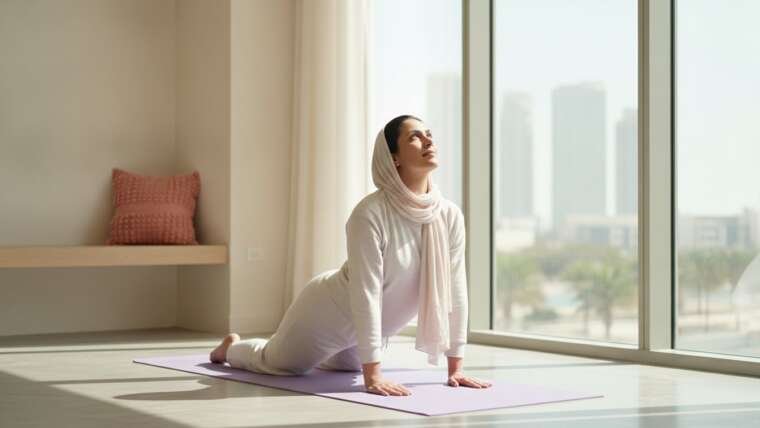
One in four adults over 65 experiences a fall every year, a statistic that highlights the vital importance of maintaining physical stability as we age. For many, chronic stiffness in the knees and hips isn’t just a minor nuisance; it’s a barrier to the independent lifestyle you’ve worked hard to build. You might find yourself hesitating to join a public class because of a fear of injury or simply the exhaustion of the commute. We believe your home should be your sanctuary, and your wellness journey should always respect that peace.
Finding the right approach to yoga for joint mobility for seniors is about more than just stretching. It’s about a tailored, restorative practice that meets you exactly where you are today. In this 2026 guide, you’ll discover how specialized yoga sequences can gently dissolve tension and improve your foundational balance. We’ll explore why working with a personal trainer in your own environment provides the safety and expert attention necessary for lasting, sustainable results. It’s time to transform your daily movement from a source of discomfort into a quiet celebration of what your body can achieve.
Key Takeaways
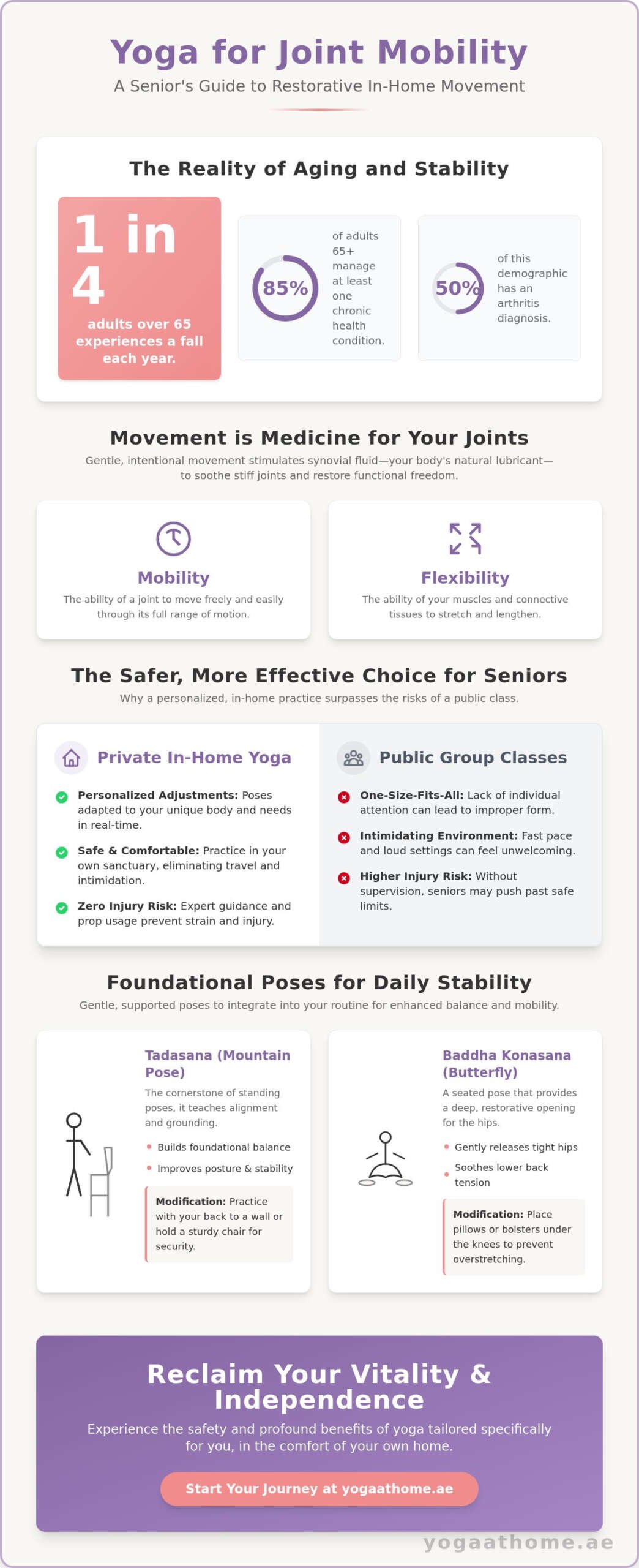
- Understand how gentle, intentional movement acts as natural medicine by stimulating synovial fluid to lubricate and soothe stiff joints.
- Learn foundational poses like Tadasana and modified Uttanasana to improve your balance and integrate yoga for joint mobility for seniors into your daily routine.
- Discover the safety benefits of private home practice, where real-time adjustments and personalized prop usage eliminate the injury risks often found in public group settings.
- Identify the essential professional credentials to look for in a specialist, ensuring your instructor holds recognized certifications like REPS UAE or Yoga Alliance.
- Explore how a bespoke approach to wellness brings ancient spiritual wisdom and modern reliability directly to your doorstep for a restorative and non-intimidating experience.
Understanding the Impact of Aging on Joint Mobility
The body remains a masterpiece of biological engineering at every age, yet the way we care for it must evolve as we grow. Understanding the nuances of yoga for joint mobility for seniors begins with recognizing that movement is more than just exercise; it’s a biological necessity. While many people use the terms mobility and flexibility interchangeably, they represent different aspects of physical health. Flexibility refers to the ability of your muscles to stretch, whereas mobility describes how well a joint can move within its socket. By focusing on yoga for joint mobility for seniors, we prioritize the functional freedom required to perform daily tasks like reaching for a shelf or playing with grandchildren without hesitation.
Within each of our joints lies a vital substance called synovial fluid. This natural lubricant is essential for smooth, pain-free movement, but its production depends entirely on physical activity. When we remain still, this fluid thickens, and our joints become like rusted hinges. Movement is the medicine that keeps this system flowing. For many older adults, this process is complicated by chronic conditions. According to recent data, 85% of adults aged 65 and older manage at least one chronic health condition, and half of this demographic has received an arthritis diagnosis. These challenges often lead to a sedentary lifestyle, which unfortunately accelerates the loss of functional independence.
The Physiology of Stiff Joints in Later Life
As the years pass, the physical structures of our bodies undergo natural transformations. Cartilage, the protective tissue that cushions the ends of your bones, tends to thin over time. Simultaneously, the ligaments that connect your bones lose their youthful elasticity, making the entire skeletal system feel more rigid. This follows the “use it or lose it” principle of musculoskeletal health; if a joint isn’t moved through its full capacity, the body eventually restricts that range to conserve energy. Joint mobility is the ability of a joint to move through its full range of motion uninhibited.
Why Traditional Exercise Often Fails Seniors
Standard fitness routines often don’t account for the unique needs of an aging body. High impact movements, such as running or heavy weightlifting, can aggravate inflammation in the knees and hips, leading to more pain rather than less. Traditional gym equipment frequently lacks the ergonomic support required to protect sensitive joints. Beyond the physical risks, there’s a significant psychological barrier. The fast-paced, often loud environment of a public gym can feel unwelcoming or even intimidating. Practices rooted in Accessible yoga provide a serene alternative, proving that wellness doesn’t require intensity to be effective. Embracing a bespoke approach allows you to reclaim your vitality in a way that feels safe, respectful, and profoundly restorative.
Key Yoga Poses for Enhancing Senior Mobility
True physical freedom is found in the gentle reclamation of space within your own body. For those practicing yoga for joint mobility for seniors, the goal isn’t to master complex shapes but to restore the natural flow of movement. By focusing on specific, mindful sequences, you can address the physical and mental benefits of senior yoga, which include enhanced stability and a profound sense of internal balance. These practices don’t require previous experience; they only require a willingness to listen to your body’s unique rhythm.
Standing Poses for Stability and Strength
Tadasana, or Mountain Pose, serves as the foundation for all standing work. It teaches you to find your center and align your skeletal structure without strain. If you experience vertigo or balance concerns, practicing with your back against a wall or holding a sturdy chair provides the necessary security. Focus on distributing your weight evenly across the soles of your feet, feeling the connection between your heels and the earth. To encourage shoulder joint lubrication, incorporate gentle arm circles while maintaining this steady base. This simple addition helps release tension in the upper body and improves the range of motion in the rotator cuff.
Seated and Floor Poses for Deep Restoration
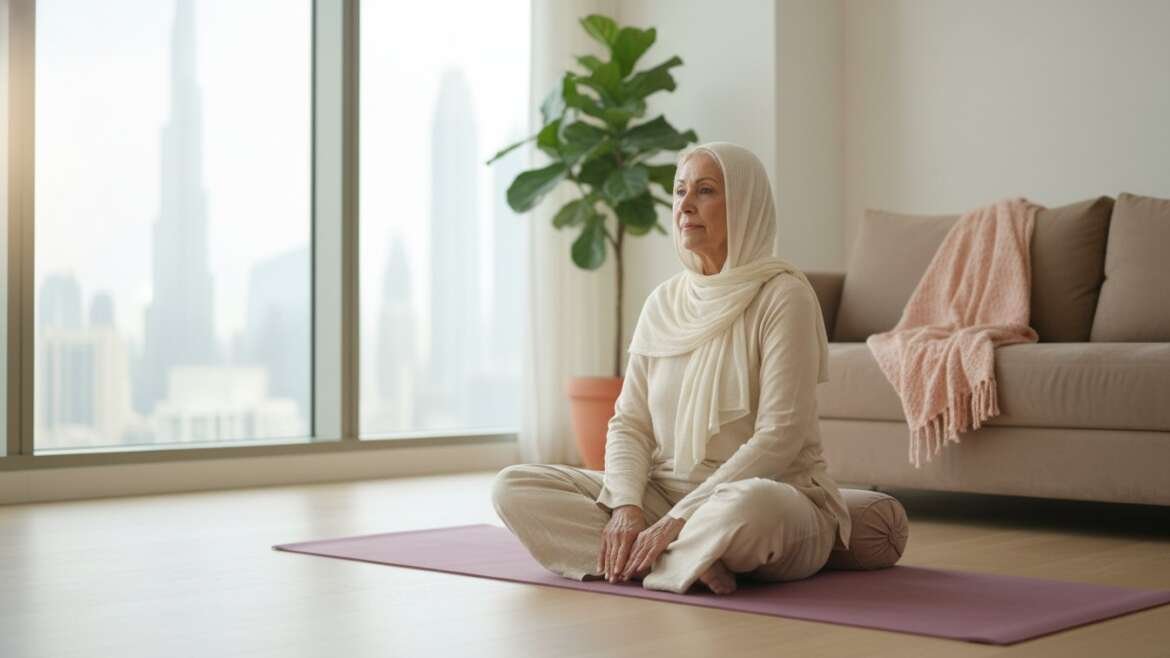
When you transition to the floor, the focus shifts toward deep, restorative openings. Butterfly pose, or Baddha Konasana, is exceptional for releasing tight hips, especially when you use bolsters or pillows to support the knees. This prevents overstretching while allowing the connective tissues to soften. For spinal health, modified Cat-Cow stretches performed on hands and knees help maintain a supple and resilient back. Gentle seated twists are equally vital; they maintain healthy spinal rotation and support digestive health by gently massaging the internal organs. 15 minutes of gentle stretching can significantly reduce morning stiffness.
Don’t overlook the importance of micro-movements. Dexterity in the fingers and toes is crucial for maintaining independence in daily tasks like buttoning a shirt or walking with confidence. Simple rotations and stretches for these smaller joints keep the extremities active and responsive. If you find yourself struggling with lower back tension, a modified Uttanasana (Forward Fold) using a table or chair for support allows for a safe release without the risk of falling. If you’re looking for a supportive partner to guide you through these movements, exploring Yoga for Seniors in your own living room can offer the personalized attention you deserve.
Comparing Private Yoga vs. Public Classes for Older Adults
True wellness is found in an environment that honors your peace and respects your physical boundaries. While public community classes offer social interaction, they often lack the precision required for safe, sustainable progress. For many, the choice to move toward private instruction isn’t just about luxury; it’s about ensuring that every session is a step toward healing rather than a risk of injury. A 2024 survey indicated that 35% of seniors would prefer to receive therapy or wellness services in the comfort of their own homes. This preference highlights a growing understanding that the familiar surroundings of your own living room provide a psychological safety that a crowded studio cannot replicate.
The Limitations of Public Studio Settings
In a typical group setting, a single instructor may be responsible for monitoring 20 or more practitioners simultaneously. This high student-to-teacher ratio makes it difficult for even the most experienced guide to notice subtle misalignments that could lead to joint strain. There’s also an unspoken pressure to keep up with the rest of the room, which often leads to over-exertion. Beyond the physical risks, environmental factors like loud music, hard flooring, or the logistical stress of travel can act as barriers. Public spaces don’t always offer the ergonomic support or the quiet atmosphere necessary for a meditative, joint-friendly practice.
The Benefits of Bespoke One-on-One Instruction
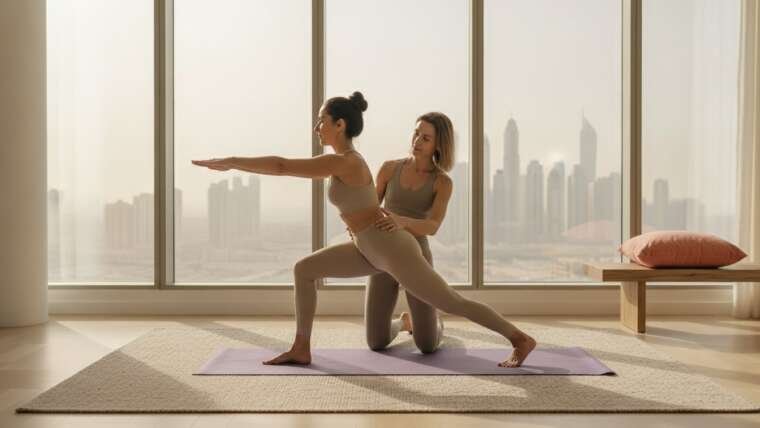
Private sessions transform the practice into a collaborative journey between you and your mentor. Your instructor adjusts the pace based on your energy levels that morning, ensuring you never push beyond your capacity. This focused attention is particularly vital when integrating best yoga poses for back pain or recovering from knee surgery. Such a tailored approach mirrors the clinical wisdom found in the Johns Hopkins Yoga for Arthritis series, which advocates for careful modification based on individual needs. By choosing private yoga for joint mobility for seniors, you receive a rhythmic, patient communication style that respects your history and your goals. This bespoke delivery ensures that your path to vitality is as unique as you are, fostering a sustainable well-being that lasts a lifetime.
Finding Expert Help: What to Look for in Personal Trainers in My Area
True wellness is a sacred partnership between your intentions and the guidance of a knowledgeable mentor. When you begin your search for yoga for joint mobility for seniors, it’s essential to understand that not all instruction is created equal. A general fitness coach might focus on intensity or muscle hypertrophy, but a senior yoga specialist prioritizes the subtle restoration of the nervous system and joint health. In the UAE, many households find profound comfort in “ladies-only” trainers. This choice ensures a private and culturally respectful environment where practitioners feel fully at ease to explore their physical boundaries without external distractions.
Vetting Qualifications and Experience
Safety is the cornerstone of any restorative practice, especially when dealing with the delicate mechanics of aging joints. At a minimum, your instructor should hold a 200-hour certification from a recognized body like the Yoga Alliance. This foundational training ensures they understand human anatomy and the basic mechanics of movement. However, for those seeking “Yoga for old age,” additional specializations in therapeutic applications are vital. You should look for a professional who is registered with REPS UAE, signifying they meet the high standards of the local fitness industry. A true specialist respects the “No Pain, No Pain” philosophy; they understand that pushing through sharp discomfort is counterproductive to healing. During your first consultation, ask how they adapt poses for arthritis or previous surgeries. Their answers will reveal if they have the empathy and expertise to keep you safe.
The Convenience of Mobile Personal Training
The journey toward better health shouldn’t be hampered by the logistical stress of navigating city traffic or searching for parking. Mobile personal training brings the serenity of a studio directly to your doorstep, allowing you to remain in the comfort of your sanctuary. This home-based approach offers unique advantages, such as using your own familiar furniture, like a sturdy dining chair or a hallway wall, as supportive props. While searching for yoga classes in dubai, you’ll find that personalized home instruction offers a level of care that anonymous group settings simply cannot match. This bespoke attention ensures that every movement is observed and every breath is supported. If you’re ready to begin this transformative process with a partner who values your independence as much as you do, you can schedule a private home session with a certified instructor today.
Reclaiming Your Vitality with Yogaathome’s Private Senior Care
True vitality is the natural state of a body and mind in harmony. At Yogaathome, we believe that age should never be a barrier to the serenity and physical freedom that a dedicated practice provides. Our philosophy represents a harmonious blend of ancient spiritual wisdom and modern professional reliability, ensuring that your journey toward improved yoga for joint mobility for seniors is both safe and profoundly restorative. By bringing the practice directly to you, we eliminate the logistical hurdles of travel, allowing you to focus entirely on your internal balance and physical growth.
Our team consists of highly certified, empathetic female instructors who specialize in Ladies Yoga and bespoke programs for older adults. We understand that every practitioner has a unique history, which is why our approach is never “one-size-fits-all.” We integrate the physical postures of Hatha Yoga with intentional breathing techniques and meditation to create a holistic wellness experience. This comprehensive method doesn’t just address joint stiffness; it clears mental fog and fosters a deep sense of tranquility that stays with you long after the session ends.
A Sanctuary of Wellness in Your Own Home
Your home is already your sanctuary, and our “Yoga for Seniors” programme is designed to respect and enhance that peace. We prioritize professional reliability, ensuring that our instructors respect your schedule as much as your personal growth. Whether you’re seeking “Yoga for old age” to maintain independence or targeted “Yoga for back pain” relief, our sessions are customized to your energy levels on any given day. Our instructors transform your living space into a tranquil retreat, bringing a sense of meditative stillness to every corner of your home. This bespoke service ensures that you receive the undivided attention necessary to progress at your own rhythmic pace.
Step-by-Step: Your First Session with Yogaathome
Embarking on a new wellness path is a significant step, and we make the process as seamless and non-intimidating as possible. Your journey begins with a gentle health assessment where we discuss your specific mobility goals and any existing physical conditions. This goal-setting process allows us to tailor every movement to your body’s current state, ensuring a safe and supportive experience. You don’t need a dedicated studio or expensive equipment; we provide all the necessary guidance to practice effectively in even a small space. We invite you to experience the restorative power of private yoga and discover how a supervised, home-based practice can help you reclaim the freedom of movement you deserve.
Embrace a Future of Fluid Movement and Peace
True health is the quiet foundation upon which a joyful life is built. You’ve discovered how the biological necessity of movement keeps your joints lubricated and how specific, supported poses can restore your foundational balance. Transitioning away from the risks of public settings into a bespoke home practice ensures that every session honors your physical boundaries. Dedicated yoga for joint mobility for seniors isn’t just a weekly activity; it’s a sustainable commitment to your long-term vitality and independence.
Our team of REPS UAE and Yoga Alliance certified instructors provides specialized programs for ladies and seniors, ensuring professional reliability in every visit. We bring personalized instruction delivered to your doorstep, so you can focus entirely on your restorative journey without the stress of travel. Your path toward a more flexible, balanced life is waiting to unfold in the comfort of your own sanctuary. Book Your Private Senior Yoga Session Today and begin your transformation with a partner who respects your pace. You deserve to move through the world with grace and quiet confidence.
Frequently Asked Questions
Is yoga safe for seniors with severe arthritis or joint replacements?
Yoga is remarkably safe for those with arthritis or replacements when practiced under expert supervision. Your instructor will adapt every sequence to avoid high-impact stress on prosthetic joints or inflamed areas. It’s essential to consult your physician first, but once cleared, a tailored practice helps maintain the integrity of the surrounding tissues and reduces chronic discomfort.
How often should a senior practice yoga to see improvements in mobility?
Consistency serves as the foundation for physical transformation. Most practitioners notice significant improvements in yoga for joint mobility for seniors by practicing two to three times per week. This steady rhythm allows the body to adapt without overexertion, ensuring that the production of synovial fluid remains restorative and helps dissolve morning stiffness.
Do I need to be flexible to start yoga in my 60s or 70s?
Flexibility is a result of the practice, not a requirement to begin. Many seniors start their journey with significant stiffness, and the goal is simply to improve your own range of motion over time. Hatha Yoga focuses on gentle, sustainable progress that meets you exactly where you are today, regardless of your starting point.
What should I look for when searching for personal trainers in my area for yoga?
You should prioritize instructors who hold recognized credentials such as REPS UAE or Yoga Alliance. It’s also vital to find a specialist with specific experience in “Yoga for old age” and therapeutic modifications. A qualified mentor will always prioritize your safety and respect your physical boundaries during every session to ensure a pain-free experience.
Can yoga help with balance and preventing falls in old age?
Yoga is a powerful tool for enhancing proprioception and core strength, which are essential for preventing falls. Since falls are a primary cause of injury for adults over 65, building better balance through standing poses is a practical step toward long-term independence. Regular practice strengthens the stabilizing muscles that keep you upright and confident during daily activities.
Is it better to do chair yoga or mat yoga as a beginner senior?
The best choice depends entirely on your current comfort levels and stability. Chair yoga provides a secure foundation for those who find floor transitions difficult, while mat yoga allows for a deeper range of restorative motion. Many beginners start with a hybrid approach, using a chair for support during standing sequences before moving to the mat for floor-based relaxation.
What equipment do I need for a private home yoga session?
You only need a small, quiet space and a standard yoga mat to begin your practice. Our instructors are experts at using household items like cushions, sturdy chairs, or walls as supportive props. This ensures your home environment becomes a fully functional sanctuary for your wellness journey without the need for expensive gym equipment.
Are your female yoga instructors certified to work with elderly clients?
Our team consists of certified female instructors who have undergone rigorous training to serve seniors and ladies-only households. Every instructor holds industry-standard certifications and possesses the empathy required for restorative care. They’re dedicated to providing a serene and professional experience that respects your privacy and your specific health goals.