
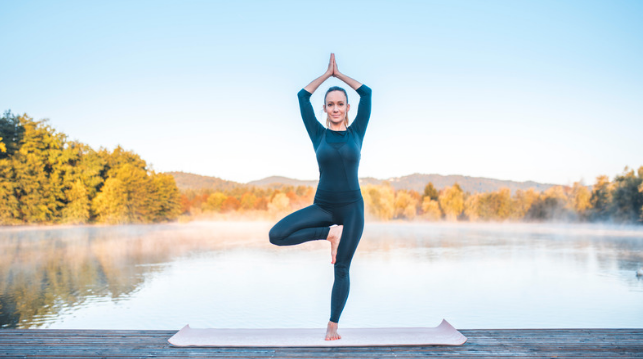
Think of a tree. Solid, unwavering, yet graceful. It bends with the wind, but it never loses its ground. In the midst of our fast-paced, often chaotic lives, wouldn’t it be comforting to find such rooted calmness within ourselves? That’s what Vrikshasana, or Tree Pose, offers—not just a yoga posture, but an invitation to experience balance, strength, and inner peace.
Vrikshasana (from the Sanskrit words Vriksha, meaning tree, and Asana, meaning posture) is one of yoga’s most recognizable standing poses. Beyond its physical form, it teaches patience and resilience, grounding us just like the trees we draw inspiration from.
The Story and Significance Behind the Pose
Vrikshasana isn’t just a modern wellness trend; it has deep roots in Indian history and mythology. Ancient carvings, such as those at Mamallapuram, depict this posture, suggesting its long-standing presence in spiritual practices. The Ramayana even refers to Ravana performing Vrikshasana during penance, emphasizing its meditative power and discipline.
Symbolically, the pose reflects what trees represent in nature—growth, strength, and balance. Practicing it daily can inspire you to cultivate the same qualities in your life.
Step-by-Step Guide to Practicing Vrikshasana
While it may look simple from the outside, Vrikshasana demands focus and presence. Here’s how to do it the right way:
- Begin with a steady stance: Stand tall with your arms by your sides. Your spine should be straight, and your body relaxed.
- Shift your weight: Slowly shift your weight onto your left foot. Keep the leg firm and steady.
- Place your foot: Bend your right knee and gently place your right foot against the inner side of your left thigh. Avoid placing it directly on the knee joint. If the thigh is too high, the inner calf is also acceptable.
- Find your balance: Keep your gaze fixed on a point in front of you. This will help you stay steady.
- Raise your arms: Inhale and bring your arms overhead. Join your palms in the Anjali Mudra (Namaste position).
- Breathe and hold: Maintain this pose for 3 to 10 deep, mindful breaths. Feel the stretch and grounding in your body.
- Release gently: Exhale, bring your hands down, and slowly lower your right leg.
- Repeat on the other side.
Tip: It’s perfectly normal to wobble at first. Trees sway in the wind, too. With time, your balance and confidence will grow.
Benefits of Vrikshasana: More Than Just Balance
Vrikshasana is not only about standing on one foot—it’s a complete practice for body and mind.
1. Enhances Balance and Coordination
At its core, Tree Pose strengthens your body’s equilibrium. You’re forced to find stillness, physically and mentally. Over time, this translates into better coordination and control in everyday movements.
2. Strengthens Legs and Core
Since you’re balancing on one foot, the entire weight of your body engages the ankle, thigh, and calf of the standing leg. It also activates your abdominal muscles, helping tone your core.
3. Opens the Hips
The upward motion of the bent leg helps open up tight hips. This is especially beneficial for people with sedentary lifestyles or those who sit for long hours.
4. Improves Posture and Spinal Health
Vrikshasana encourages you to stand tall with a straight spine. Practicing this regularly can strengthen your back and correct postural issues caused by desk jobs.
5. Calms the Mind
As your body becomes still, so does your mind. The focused gaze and breathwork involved in the pose help reduce stress and anxiety. Think of it as a quick reset button for mental clarity.
6. Promotes Emotional Stability
Just as the roots of a tree anchor it firmly to the ground, this pose helps you feel emotionally rooted. You begin to respond rather than react, bringing greater calm to your everyday interactions.
Precautions and Contraindications
While Vrikshasana is safe for most people, there are a few cases where caution is needed:
- Those with high blood pressure can practice the pose but should avoid raising their arms overhead.
- People with insomnia or migraines might find it uncomfortable.
- If you have knee or ankle issues, practice near a wall for support or consult a yoga teacher.
A Pose for Everyone
You don’t need to be a seasoned yogi to benefit from Vrikshasana. Whether you’re in your 20s or your 60s, this pose welcomes all. It’s not about how long you can balance, but how present and aware you are during those moments.
Some days, your tree will stand tall and proud. Other days, it might sway or even fall. What matters is showing up—and planting that seed of intention again and again.
Final Thoughts
Vrikshasana reminds us of a deeper truth: balance isn’t something we find once and keep forever. It’s something we create, every single day, through conscious effort. By incorporating Tree Pose into your routine, you’re not just building strength and flexibility—you’re learning how to stay grounded in a constantly shifting world.
As you rise in the pose, arms stretching towards the sky, and feel the firm contact of your foot on your thigh, you might just realize: you, too, can be like a tree, rooted, resilient, and reaching for the light.